


Product Consultation
Your email address will not be published. Required fields are marked *

DC Gear Motors Guide: Types, Applications & Selection Tips
Jul 16,2026
Worm Gear Motor Explained: Why This Compact Powerhouse Is Used Everywhere
Jul 10,2026
June birthday, growing towards the sun | The June employee birthday party of Dongzheng Electric Machinery came to a warm conclusion
Jun 05,2026In the fast-paced world of modern logistics and warehousing, efficiency and precision are paramount. One of the most significant innovations driving this transformation is the Automated Case-handling Mobile Robot (ACR). These intelligent, autonomous machines have revolutionized material handling, but their effectiveness hinges on a critical component: the gear motors for Automated Case-handling Mobile Robot (ACR). These aren't just any motors; they're the silent workhorses that provide the power, control, and reliability needed for ACRs to navigate complex environments and execute tasks with pinpoint accuracy.
Content
An ACR's primary functions—moving, lifting, and placing cases—require a combination of high torque, variable speed control, and quiet operation. A standard motor alone often lacks the necessary torque to handle heavy loads, especially during startup or when navigating inclines. This is where the gearbox comes in. A gearbox, or gearhead, is a mechanical component that uses a system of gears to reduce the motor's output speed while simultaneously increasing its output torque. This simple yet ingenious principle is what makes gear motors the ideal choice for ACRs.
The high torque provided by the gear reduction allows the ACR to accelerate smoothly, carry heavy cases without strain, and maintain stable movement. Meanwhile, the reduced output speed allows for precise positioning, which is crucial for tasks like docking with conveyor systems or placing a case on a specific shelf. Without a gear motor, an ACR would struggle to perform these fundamental tasks efficiently, leading to slower cycle times and potential damage to goods.
The demands of an ACR's operating environment—often a busy, multi-level warehouse—require gear motors with specific features.
High Power Density: ACRs need to be compact to navigate narrow aisles and crowded spaces. Gear motors with high power density pack a lot of power into a small footprint, allowing for a sleeker, more agile robot design.
Low Noise Operation: In a modern warehouse, noise pollution can be a serious issue. Gear motors designed for ACRs are engineered for quiet operation, minimizing disruption to human workers and other automated systems.
High Efficiency: Battery life is a critical factor for ACRs, as frequent charging cycles can reduce productivity. Highly efficient gear motors minimize energy waste, extending the robot's operational time between charges and improving overall throughput.
Robustness and Durability: Warehouse environments can be demanding, with potential for dust, temperature fluctuations, and continuous operation. Gear motors for ACRs are built to be robust, with durable materials and sealed designs to withstand these conditions and ensure a long service life with minimal maintenance.
Precise Control: The ability to start, stop, and reverse direction instantly with high precision is vital for an ACR's navigation and handling tasks. Gear motors, often paired with encoders and advanced motor controllers, provide the granular control needed for accurate movement and positioning.
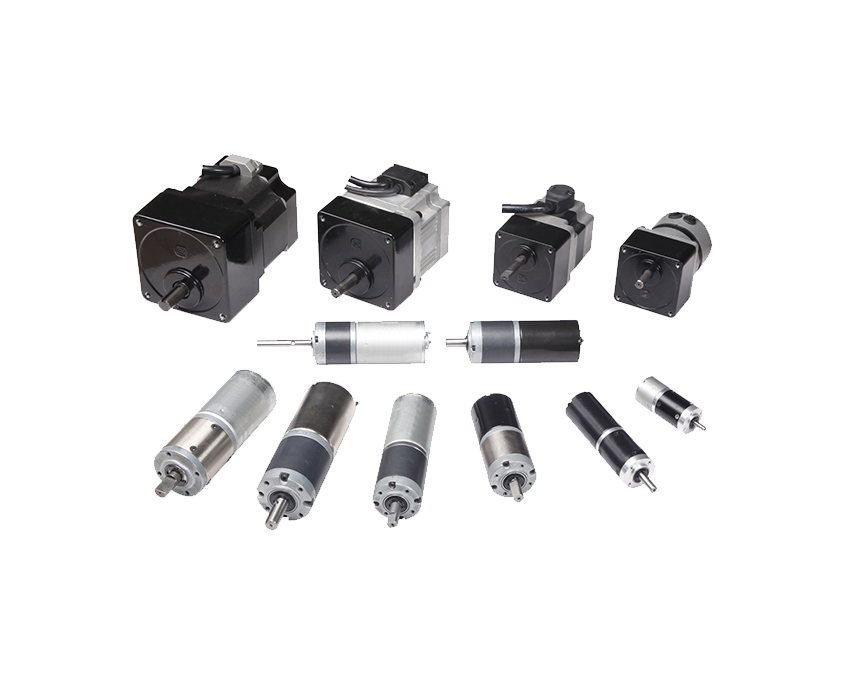
While the basic principle is the same, there are several types of gear motors suited for different ACR applications.
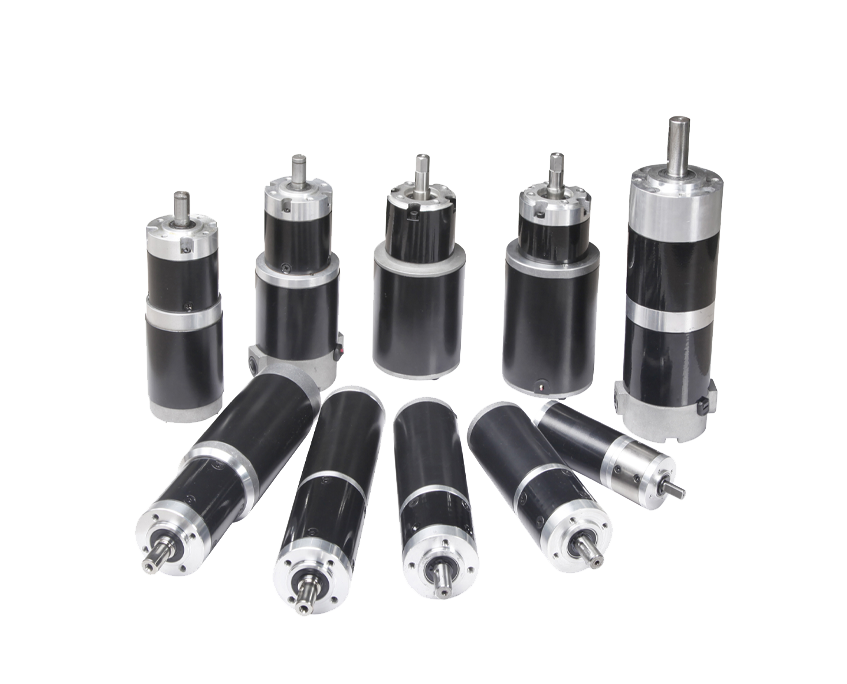
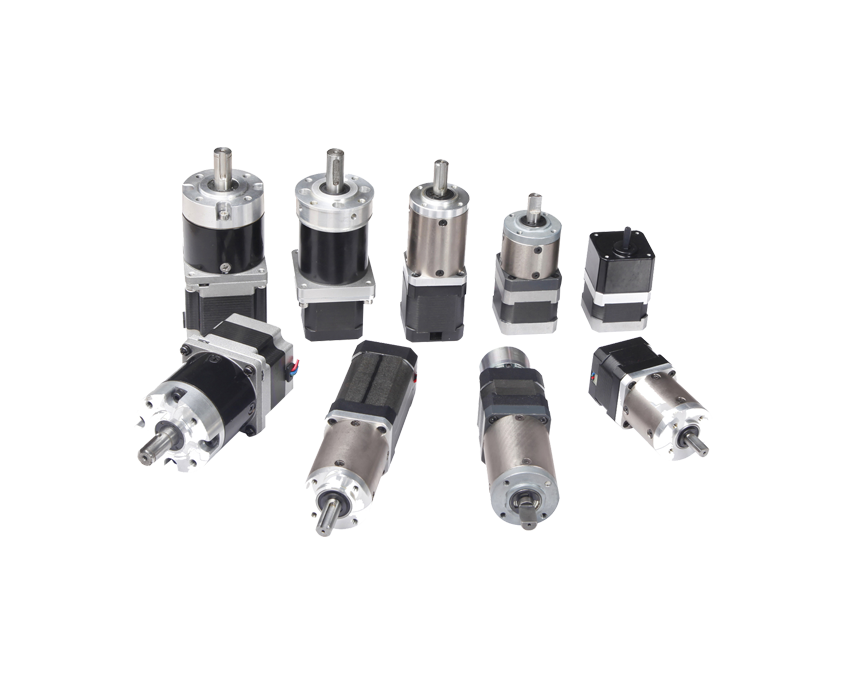
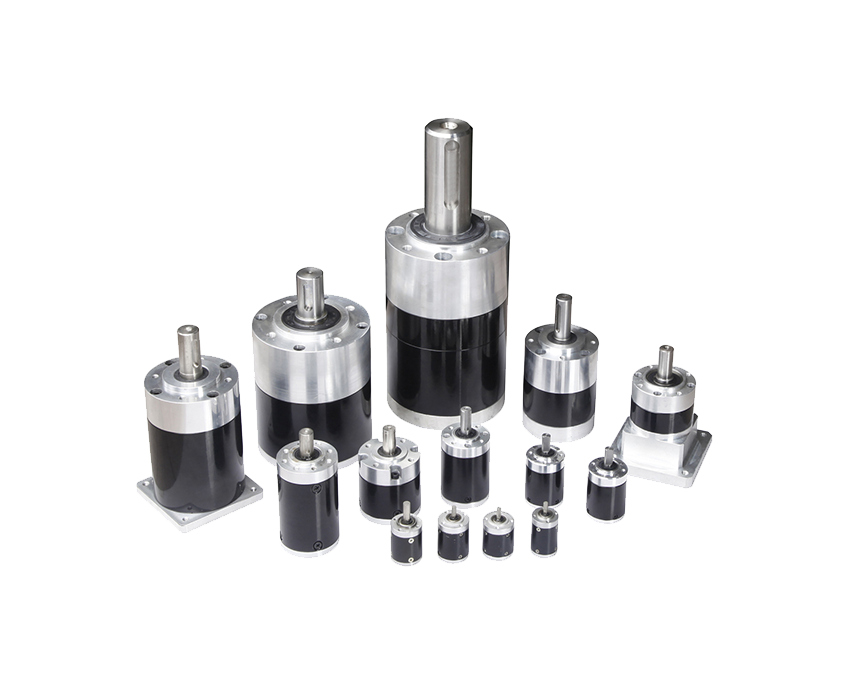
Planetary Gear Motors: Known for their compact size, high torque output, and coaxial shaft arrangement, planetary gear motors are a popular choice for ACRs. Their design, which distributes the load across multiple gears, makes them highly efficient and durable. This is particularly useful for the main drive wheels of an ACR.
Spur Gear Motors: These are simpler and less expensive than planetary gear motors. While they may not offer the same level of torque density, they are suitable for lighter-duty applications, such as the lifting mechanisms or secondary drive systems within an ACR.
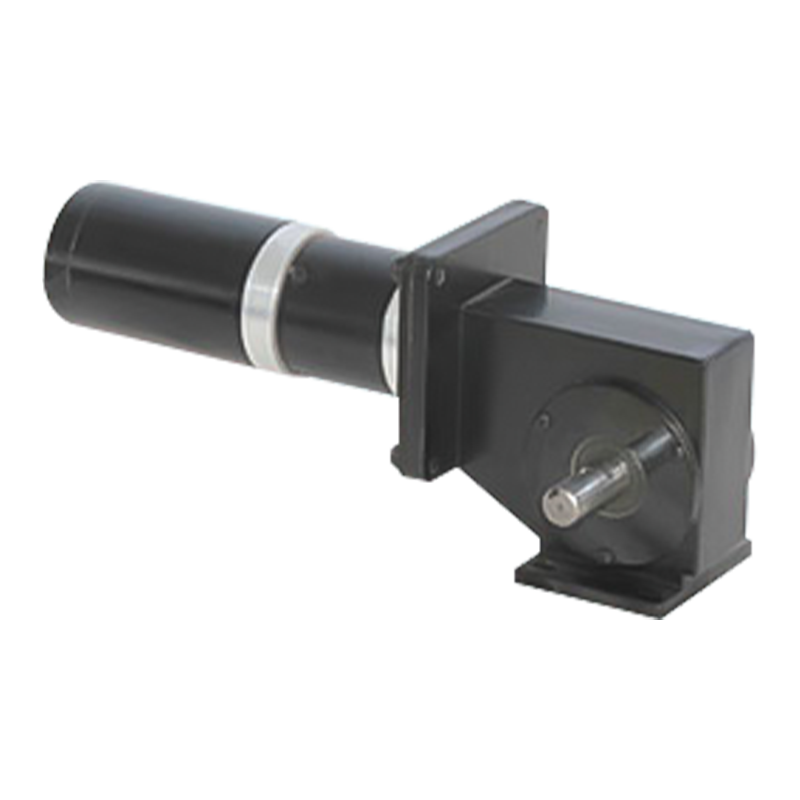
Worm Gear Motors: These motors are excellent for applications that require high gear reduction in a small space and where a self-locking feature is desirable. In an ACR, a worm gear motor could be used in a lifting mechanism, where its self-locking property would prevent a heavy case from dropping if power is lost.
As the e-commerce market continues to grow, so does the demand for more advanced and efficient automated solutions. The future of gear motors for Automated Case-handling Mobile Robot (ACR) lies in further innovation. We can expect to see advancements in material science leading to lighter and more durable gears, improved motor designs for even greater efficiency, and the integration of smart sensors directly into the motor assembly.
These integrated "smart" gear motors could provide real-time data on performance, temperature, and wear, enabling predictive maintenance and further minimizing downtime. The symbiotic relationship between powerful, reliable gear motors and the intelligent control systems of ACRs is what will continue to push the boundaries of automation, making warehouses smarter, faster, and more productive than ever before. In essence, the gear motor is not just a component; it is the fundamental building block that powers the logistical revolution.
Your email address will not be published. Required fields are marked *
Tel: +86 0579-86817938-836
Phone: +86 15258922705
E-mail: [email protected]
Add: No.2 Zengping Rd., Dongyang, Zhejiang, China
Copyright © Zhejiang Dongzheng Motor Co.,Ltd. All Rights Reserved.

DC Gear Motor Manufacturers