


 English
 русский
 日本語
日本語 Español
 Deutsch
 中文简体
中文简体Product Consultation
Your email address will not be published. Required fields are marked *




DC Gear Motors Guide: Types, Applications & Selection Tips
Jul 16,2026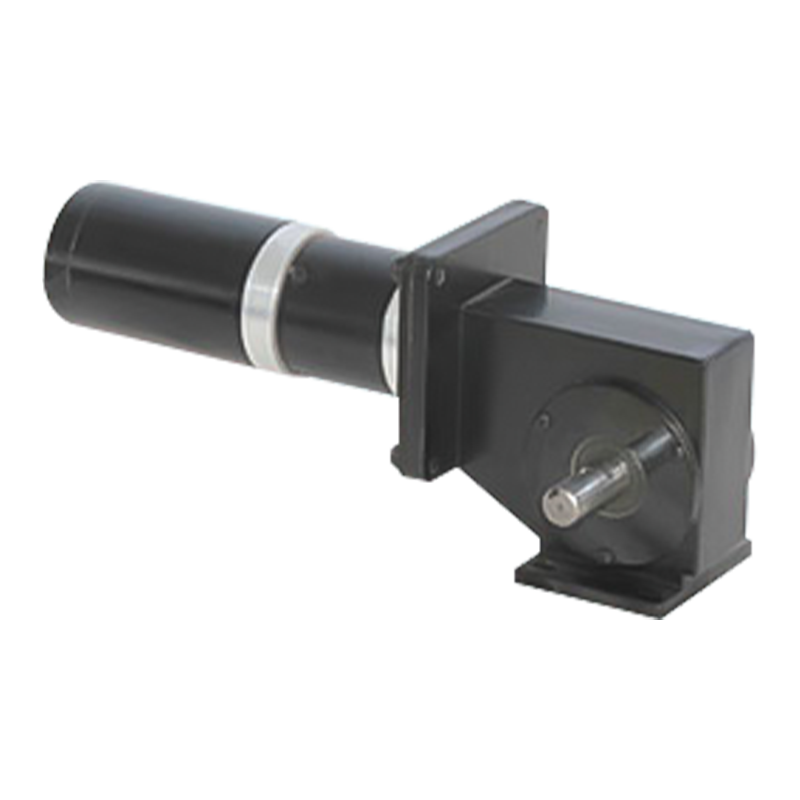
Worm Gear Motor Explained: Why This Compact Powerhouse Is Used Everywhere
Jul 10,2026
June birthday, growing towards the sun | The June employee birthday party of Dongzheng Electric Machinery came to a warm conclusion
Jun 05,2026Content
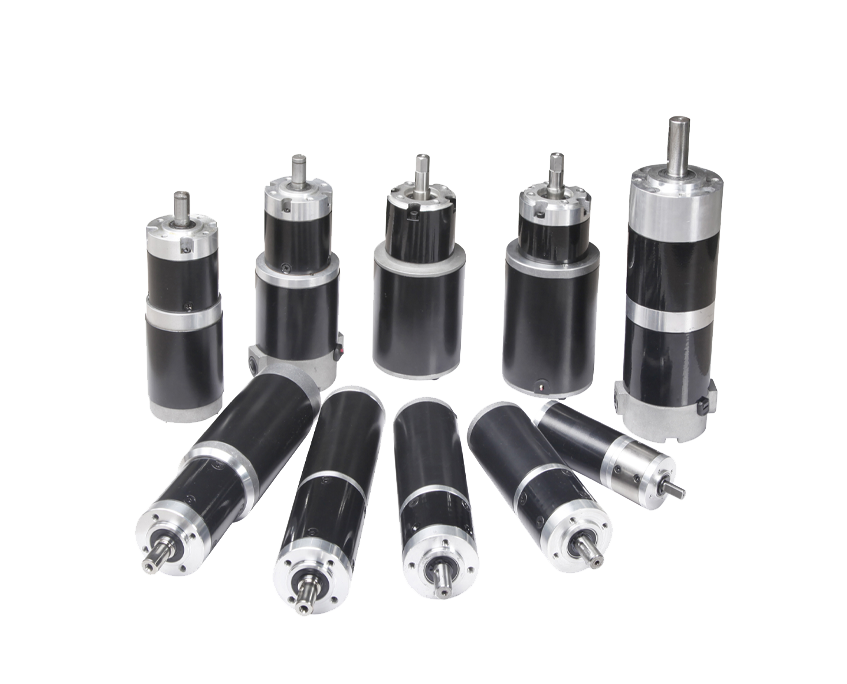
DC gear motors combine a direct current electric motor with an integrated gearbox to convert the motor's naturally high-speed, low-torque output into a slower, more usable rotational speed with significantly increased torque. Inside the unit, a standard DC motor spins at anywhere from a few thousand to tens of thousands of RPM, but this raw speed is often too fast and too weak in torque for practical mechanical work. A gear train inside the housing, made up of a series of meshing gears, reduces this speed step by step while multiplying torque output at the final shaft.
This combination makes a DC geared motor far more versatile than a bare DC motor alone, since the gearbox allows engineers to select a specific speed-to-torque ratio suited to their exact application without needing to design custom motor windings. Because DC motors also offer straightforward speed control simply by adjusting input voltage or using pulse-width modulation, DC gear motors remain a popular choice across countless consumer electronics, robotics, and industrial automation projects.
Not all DC gear motors share the same internal design, and choosing the right type depends heavily on factors like required lifespan, precision, noise tolerance, and budget constraints.
A brushed DC gear motor uses physical carbon brushes to conduct current to the rotating armature, offering a simple, low-cost design that's easy to control with basic circuitry. This type remains extremely popular in cost-sensitive applications like toys, small appliances, and basic automation equipment, though the brushes do wear down over time and eventually require replacement.
A brushless DC gear motor replaces mechanical brushes with electronic commutation controlled by a driver circuit, eliminating brush wear entirely and resulting in a longer service life, higher efficiency, and quieter operation. These advantages come at a higher upfront cost, making brushless motors the preferred choice for applications demanding long-term reliability, such as medical devices and industrial automation systems.
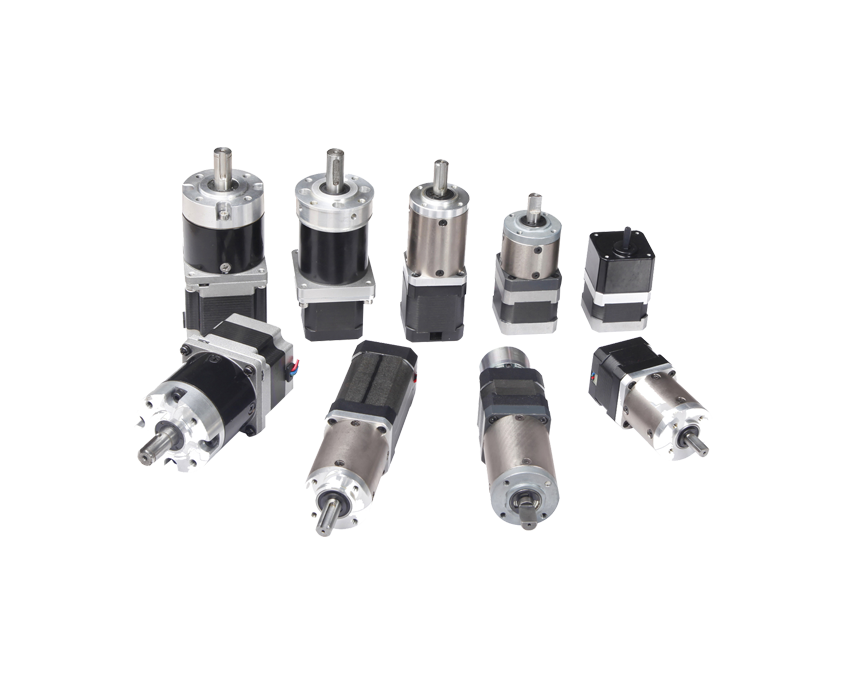
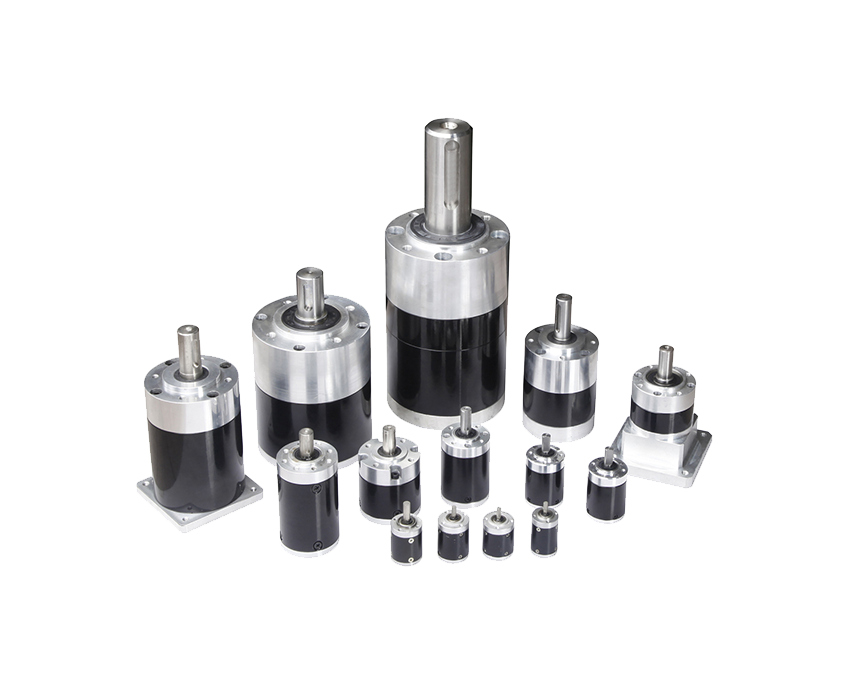
A planetary DC gear motor arranges multiple small gears around a central sun gear within a ring gear housing, distributing load across several contact points simultaneously. This design delivers higher torque density and better durability in a compact footprint compared to standard spur gear configurations, making it well suited for robotics and precision positioning equipment.
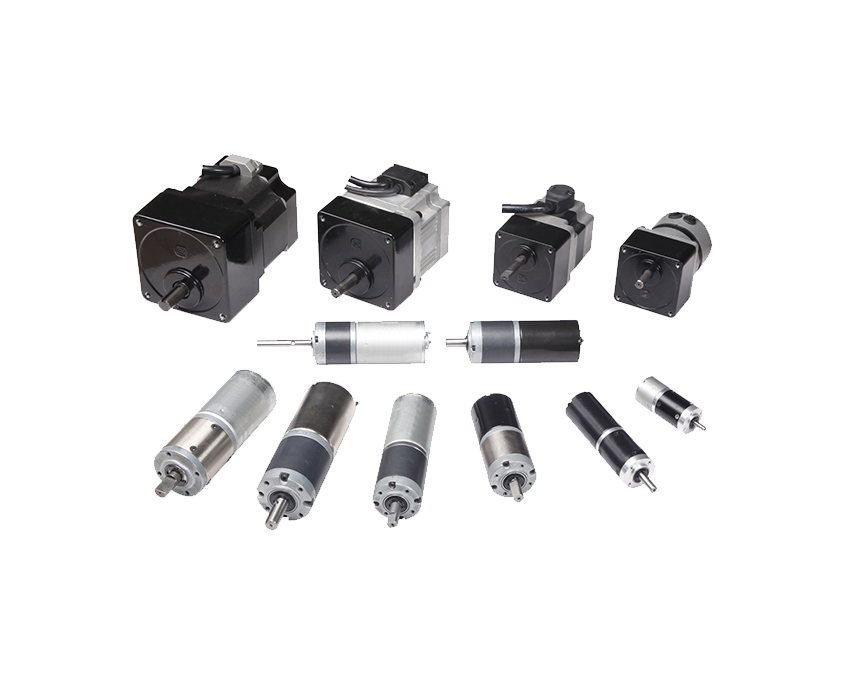
Miniaturized versions of DC gear motors, often just a few millimeters in diameter, are designed specifically for space-constrained applications like handheld electronics, small robotics, and camera focusing mechanisms, prioritizing compact size without completely sacrificing torque output.

Choosing the right DC gear motor for a specific project requires evaluating several technical specifications together rather than focusing on any single number in isolation. The table below summarizes the core specifications worth comparing across different motor options.
| Specification | Why It Matters |
| Gear Reduction Ratio | Determines the final output speed and torque available at the shaft |
| Rated Voltage and Current | Must match your power supply and control circuit design |
| Stall Torque | Indicates maximum torque the motor can produce before stalling |
| Gear Material | Metal gears last longer under load than plastic gears in most applications |
| Shaft Diameter and Mounting Style | Must be compatible with your existing mechanical assembly |
DC gear motors appear in a remarkably wide range of products and systems because of their compact size, controllable speed, and cost-effective torque output. Recognizing these common applications helps illustrate just how essential this component category has become across industries.
One of the most common decisions engineers face when selecting DC gear motors is whether to go with a brushed or brushless configuration, and this choice significantly affects both upfront cost and long-term performance.
If your application involves intermittent use, cost sensitivity, and simple control requirements, a brushed DC gear motor often makes the most practical sense, since it requires less complex driver circuitry and costs considerably less per unit. On the other hand, if your project demands continuous operation, long service life without maintenance, or precise speed control feedback, investing in a brushless DC gear motor typically pays off through reduced downtime and fewer replacement cycles, even though the initial purchase price and control electronics are more expensive.
Even experienced engineers sometimes run into avoidable issues when selecting or integrating DC gear motors into a new product or system. Being aware of these common mistakes ahead of time can prevent costly redesigns later in development.
Proper handling and operating practices can significantly extend the working life of any DC gear motor, regardless of whether it uses a brushed or brushless design.
Your email address will not be published. Required fields are marked *
Tel: +86 0579-86817938-836
Phone: +86 15258922705
E-mail: [email protected]
Add: No.2 Zengping Rd., Dongyang, Zhejiang, China
You can contact to me using this form.
Copyright © Zhejiang Dongzheng Motor Co.,Ltd. All Rights Reserved.
 DC Gear Motor Manufacturers