


 English
 русский
 日本語
日本語 Español
 Deutsch
 中文简体
中文简体Product Consultation
Your email address will not be published. Required fields are marked *



Worm Gear Motor Explained: Why This Compact Powerhouse Is Used Everywhere
Jul 10,2026
June birthday, growing towards the sun | The June employee birthday party of Dongzheng Electric Machinery came to a warm conclusion
Jun 05,2026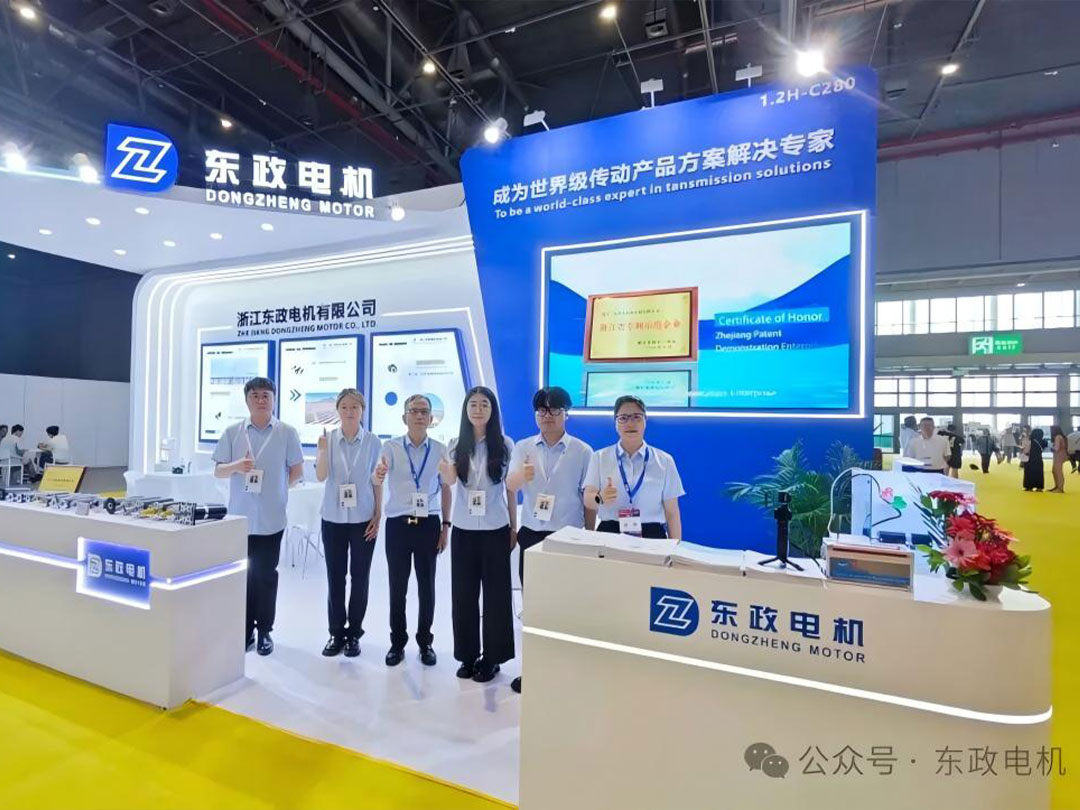
Dongzheng Motor participates in the 19th (2026) International Solar Photovoltaic and Smart Energy (Shanghai) Conference and Exhibition
Jun 03,2026Content
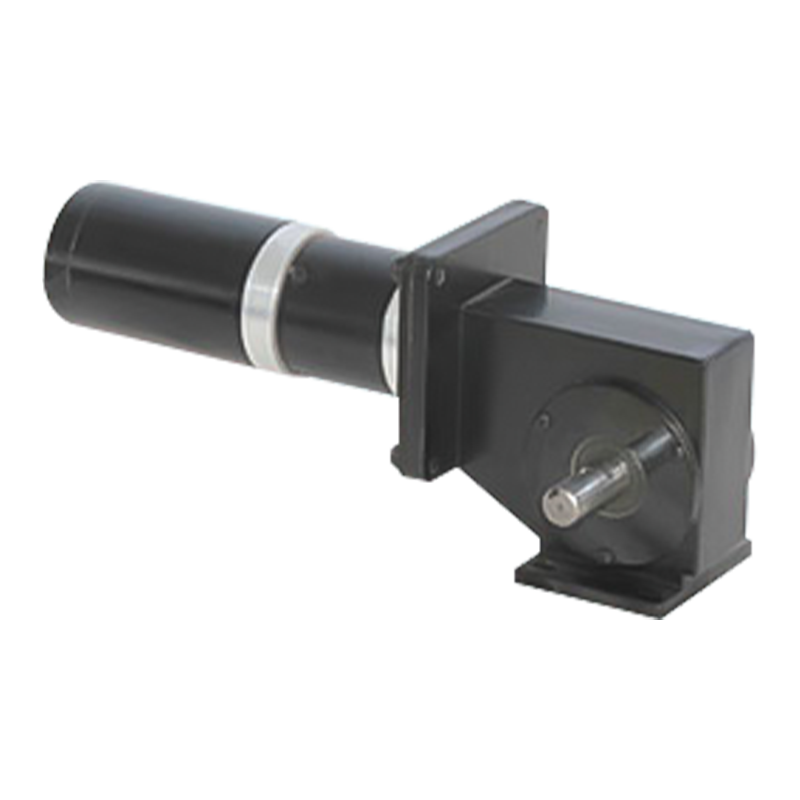
A worm gear motor combines an electric motor with a worm gear reduction unit to convert high-speed, low-torque rotational input into low-speed, high-torque output suitable for driving heavy or slow-moving loads. The core mechanism relies on a screw-shaped component called the worm, which meshes with a toothed wheel known as the worm wheel or worm gear. As the worm rotates, its threads engage the worm wheel's teeth, forcing it to turn at a dramatically reduced speed compared to the input shaft, while multiplying torque output significantly.
One of the defining characteristics of this design is the right-angle configuration between the input and output shafts, since the worm and worm wheel sit perpendicular to each other. This right angle gear motor layout makes worm gear motors especially useful in applications where space constraints require the motor to be positioned at a 90-degree angle relative to the driven equipment, something that standard inline gear motors cannot easily accommodate.
One of the most practical advantages of a worm gear motor is its inherent self-locking property, which occurs naturally in many worm gear ratios due to the friction angle between the worm thread and the worm wheel teeth. This means that in many configurations, the output shaft cannot be back-driven by the load, even when the motor is powered off.
A self-locking worm gear motor holds a load securely in place without requiring a separate mechanical brake, which is why this design is so widely trusted in lifting equipment, conveyor inclines, and gate operators where unintended movement could create safety hazards.
Because self-locking eliminates the need for additional braking components in many applications, equipment manufacturers can simplify their overall design, reduce the number of moving parts that require maintenance, and lower the total system cost compared to alternatives that would otherwise need a dedicated holding brake.
Engineers frequently compare worm gear motors against helical gear motors when selecting drive equipment for a new project, since both offer speed reduction but differ significantly in efficiency, noise level, and mechanical behavior. The table below outlines the key differences to consider.
| Factor | Worm Gear Motor | Helical Gear Motor |
| Efficiency | Lower, typically 50-90% depending on ratio | Higher, often 95% or more |
| Self-Locking Capability | Yes, in many gear ratios | No, requires separate brake if needed |
| Noise Level | Generally quieter operation | Can be louder under heavy load |
| Shaft Configuration | Right angle (90 degrees) | Typically inline or parallel |
| Best Suited For | Compact spaces, holding loads, moderate duty cycles | High efficiency, continuous heavy-duty operation |
Worm gear motors show up across a wide variety of industries because their compact right-angle design and self-locking capability solve practical engineering challenges that other gear motor types cannot address as easily.

Selecting the right worm gear motor for a specific application requires more than matching horsepower alone. Several technical specifications directly influence whether the motor will perform reliably under your actual operating conditions.
Start by confirming the gear reduction ratio matches your required output speed and torque, since worm gear motors are available in a wide range of ratios that dramatically affect final shaft speed. Check the motor's duty cycle rating carefully, as worm gear units generate more heat than helical alternatives due to sliding friction between the worm and worm wheel, making continuous-duty applications more demanding on thermal management. It's also worth verifying the housing material and sealing rating if the motor will operate in dusty, wet, or outdoor environments, since inadequate sealing can lead to premature lubricant degradation and internal component wear.
Because worm gear motors rely on sliding contact between the worm and worm wheel rather than rolling contact like helical gears, proper lubrication and maintenance practices play an especially important role in long-term reliability.
Your email address will not be published. Required fields are marked *
Copyright © Zhejiang Dongzheng Motor Co.,Ltd. All Rights Reserved.
 DC Gear Motor Manufacturers