


 English
 русский
 日本語
日本語 Español
 Deutsch
 中文简体
中文简体Product Consultation
Your email address will not be published. Required fields are marked *




DC Gear Motors Guide: Types, Applications & Selection Tips
Jul 16,2026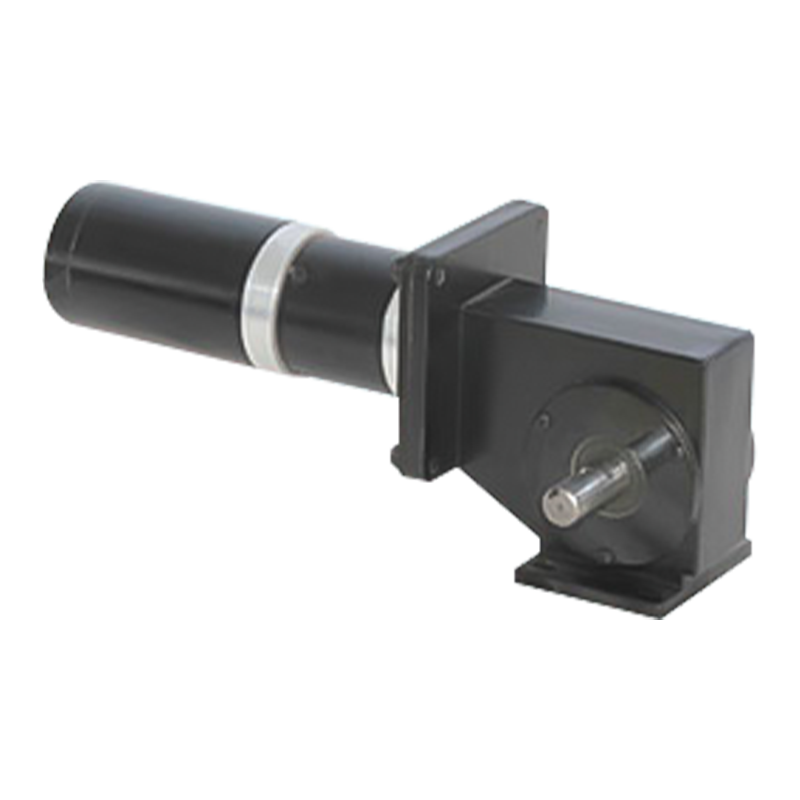
Worm Gear Motor Explained: Why This Compact Powerhouse Is Used Everywhere
Jul 10,2026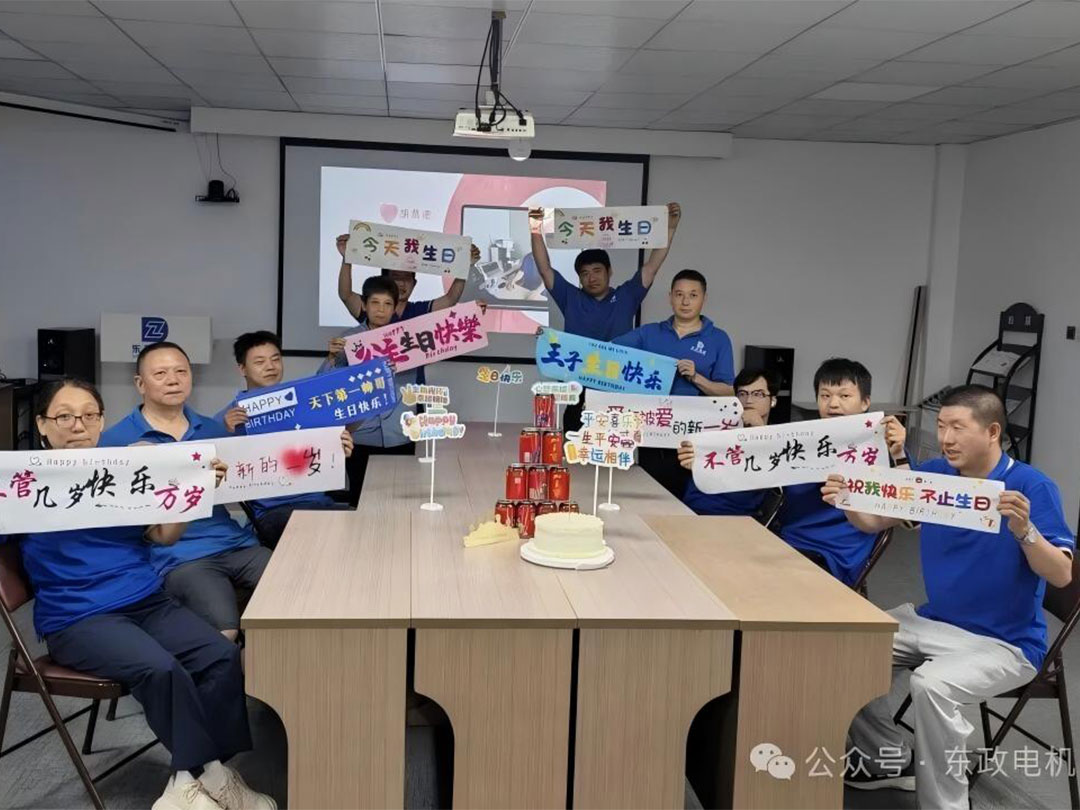
June birthday, growing towards the sun | The June employee birthday party of Dongzheng Electric Machinery came to a warm conclusion
Jun 05,2026Content
Brushless DC gear motors are highly efficient, reliable, and versatile components that power a wide range of applications. By combining the power of a brushless DC motor with the precision of a gearbox, these motors provide significant advantages over traditional brushed DC motors, especially in applications requiring high torque and speed control. In this section, we will explore the basics of brushless DC gear motors, why they are favored over other types, and some of the most common applications.
A brushless DC (BLDC) gear motor is a type of electric motor that uses electronic commutation rather than brushes to transfer electrical power to the motor's rotor. The integration of a gearbox adds precision, allowing the motor to convert high-speed rotational movement into the desired torque and speed, making it suitable for applications requiring fine control and power.
Definition and Basic Working Principle:
A brushless DC gear motor combines two primary components: a brushless DC motor and a gearbox. The BLDC motor uses a permanent magnet rotor and a stator with electromagnetic coils. The motor's controller switches the current in the coils to create a rotating magnetic field that interacts with the rotor, causing it to spin. The gearbox, on the other hand, takes the motor's output and reduces its speed while increasing torque, providing optimal mechanical power for specific tasks.
Key Components:
Brushless DC Motor: A motor that doesn't rely on brushes or commutators to transfer power, offering higher efficiency and reduced wear.
Gearbox: A set of gears that adjusts the motor’s speed and torque. Gearboxes come in various types, such as spur, planetary, and worm gears.
Controller: An electronic system that manages the power delivered to the motor, ensuring smooth and accurate operation. It controls the speed, direction, and torque.
Brushless DC gear motors are gaining popularity over their brushed counterparts due to several key advantages:
Advantages over Brushed DC Motors:
Longer Lifespan: Without the friction and wear caused by brushes, BLDC motors last much longer than brushed motors.
Higher Efficiency: Brushless motors generate less heat and have better power conversion, making them more efficient.
Reduced Maintenance: With no brushes to replace, maintenance is significantly lower compared to brushed DC motors.
Benefits of Using a Gearbox:
Improved Torque and Speed Control: Gearboxes enable the motor to deliver more torque at lower speeds, or increase speed while reducing torque as needed, depending on the gear ratio.
Precision: Gearboxes allow for fine adjustments, making BLDC gear motors ideal for applications that require precise control over speed and power.
Space Efficiency: By integrating the gearbox, BLDC gear motors are compact and suitable for applications where space is limited.
Thanks to their versatility and reliability, brushless DC gear motors are used across a wide range of industries. Some of the most notable applications include:
Robotics: In robotics, precision, reliability, and durability are crucial. BLDC gear motors power robotic arms, grippers, and automated systems, providing smooth motion control for complex tasks.
Automation: For automated systems such as conveyor belts and assembly lines, BLDC gear motors are ideal because they offer high efficiency, long lifespans, and minimal maintenance.
Electric Vehicles: Electric scooters, bikes, and even electric wheelchairs rely on BLDC gear motors for smooth, efficient, and reliable motion control.
Consumer Electronics: Power tools, home appliances, and other electronic devices benefit from the compact size and efficient power output of BLDC gear motors.
Brushless DC gear motors are found everywhere, from the industrial floor to personal gadgets, helping drive innovation and improving the performance of everyday technologies.
To fully appreciate the performance of brushless DC gear motors, it’s essential to understand how they operate. The working principles of these motors involve complex interactions between the motor’s electronic components, the gearbox, and the control systems. In this section, we will explore the core elements that make brushless DC gear motors function: the motor operation, the mechanics of the gearbox, and the control and feedback systems that ensure optimal performance.
The operation of a brushless DC (BLDC) motor relies on electronic commutation rather than the traditional mechanical commutation found in brushed motors. This eliminates the need for brushes and a commutator, resulting in higher efficiency, longer life, and less maintenance.
Electronic Commutation:
In a BLDC motor, the rotor (the rotating part of the motor) contains permanent magnets, and the stator (the stationary part) has coils of wire. Instead of using brushes and a commutator to direct current to the coils, an electronic controller switches the current in the stator coils, generating a rotating magnetic field. This field interacts with the rotor’s permanent magnets, causing it to spin.
The electronic controller uses Hall effect sensors or similar devices to track the position of the rotor and switch the current in the coils at the correct moments. This precise timing ensures smooth, efficient operation and eliminates the wear and tear associated with brushes.
Rotor and Stator Interaction:
The interaction between the rotor’s magnetic field and the stator’s electromagnetic field is what generates motion. The rotor is attracted or repelled by the magnetic fields produced by the stator, which creates rotational motion. This is what drives the mechanical output shaft of the motor.
As the motor spins, the controller constantly adjusts the current to maintain continuous motion, ensuring the rotor follows the desired path. The absence of brushes eliminates friction, reducing heat and power loss, which increases the overall efficiency of the motor.
The gearbox in a brushless DC gear motor is crucial for converting the motor's high-speed, low-torque output into a more useful low-speed, high-torque output. The choice of gearbox type and gear ratio plays a significant role in determining the motor's overall performance.
Types of Gearboxes:
Spur Gears: These are the most straightforward type of gear, with teeth that are parallel to the axis of rotation. They are simple and efficient but can be noisy at higher speeds.
Planetary Gears: A more complex arrangement where the gears rotate around a central "sun" gear. Planetary gear systems offer high torque density and compact design, making them ideal for high-performance applications.
Worm Gears: These gears have a screw-like shape, offering a high gear reduction ratio and the ability to transmit power at right angles. They provide smooth, quiet operation but are less efficient due to friction.
Helical Gears: These gears have teeth that are cut at an angle, allowing for smoother and quieter operation compared to spur gears. They are commonly used in applications requiring higher efficiency and load capacity.
Gear Ratio and its Impact on Speed and Torque:
The gear ratio determines how much the gearbox reduces or increases the motor's speed. A high gear ratio (e.g., 10:1) will provide a higher torque output at the expense of speed, making it ideal for applications requiring precise control, such as robotic arms. A low gear ratio (e.g., 2:1) will provide higher speed but lower torque, suitable for tasks like driving a fan or conveyor belt.
The gear ratio is carefully selected based on the specific requirements of the application, balancing the trade-off between speed and torque to achieve optimal performance.
To ensure precise and reliable operation, brushless DC gear motors rely on sophisticated control and feedback systems that monitor the motor's position, speed, and torque. These systems enable the motor to respond quickly and accurately to changes in load or speed requirements.
Hall Effect Sensors:
Hall effect sensors are commonly used in BLDC motors to detect the position of the rotor. By measuring the magnetic field around the rotor, the sensors provide feedback to the motor controller, which adjusts the current in the stator coils accordingly. This feedback allows for precise control of the motor’s speed and position.
Encoders:
Encoders are devices that measure the rotation of the motor’s shaft. They provide feedback on the motor’s position, speed, and direction. This data is used by the controller to make real-time adjustments to the motor’s operation. Encoders are particularly useful in applications requiring high precision, such as robotics or CNC machines.
Closed-loop Control:
In a closed-loop control system, the motor’s output is constantly monitored and adjusted based on the feedback received from the sensors and encoders. The controller continuously compares the actual performance of the motor to the desired performance, making adjustments to maintain the target speed, position, or torque. This allows for highly responsive and precise control, even in demanding applications.
Brushless DC (BLDC) gear motors offer a range of advantages over other types of electric motors. By combining the high efficiency and long lifespan of a brushless motor with the torque and speed control provided by a gearbox, these motors deliver exceptional performance across various applications. In this section, we’ll explore the key benefits that make BLDC gear motors the preferred choice in many industries.
One of the most significant advantages of brushless DC gear motors is their high efficiency, which translates into lower energy consumption and superior performance.
Reduced Friction and Heat Generation:
Unlike brushed motors, which rely on physical brushes that create friction with the commutator, BLDC motors use electronic commutation, resulting in virtually no friction in the motor's internal components. This lack of friction reduces heat generation, improving the motor's efficiency and extending its lifespan. With less energy lost as heat, more of the input power is converted into usable mechanical power, making BLDC motors highly efficient.
Optimal Energy Conversion:
BLDC motors excel in energy conversion because their electronic controllers can precisely manage the motor's operation. The controller adjusts the motor’s speed and torque dynamically, ensuring that the motor operates efficiently at all times, even under varying load conditions. This makes BLDC gear motors ideal for applications where energy efficiency is a priority, such as in electric vehicles and robotics.
The longevity and reliability of brushless DC gear motors are key reasons they are favored in demanding environments.
Minimal Maintenance Requirements:
One of the biggest advantages of BLDC motors is their maintenance-free operation. Since they don’t have brushes or a commutator, there is no wear and tear from friction. This greatly reduces the need for regular maintenance or part replacements. Over time, this translates to lower operating costs and less downtime, making them ideal for systems that require continuous operation, such as in automation or industrial applications.
Durable Construction:
BLDC gear motors are built with rugged materials that are designed to withstand harsh conditions. Their durable construction makes them suitable for use in applications with high vibration, temperature fluctuations, and exposure to dust or moisture. The robust design ensures that they maintain performance over long periods, even in challenging environments.
Brushless DC gear motors are particularly well-suited for applications requiring precise control and quick response to changes in load or speed.
Accurate Speed and Torque Control:
The combination of the brushless motor and the gearbox allows for very fine control over both speed and torque. The electronic controller constantly adjusts the current in the stator coils to achieve the desired motor behavior, ensuring that the motor maintains a consistent speed or torque even under varying loads. This makes BLDC gear motors ideal for robotics, CNC machinery, and other applications that require highly accurate motion control.
Quick Response to Changing Loads:
BLDC gear motors are highly responsive to changes in load. Whether the load increases or decreases, the motor can quickly adjust its speed and torque to accommodate the new conditions. This rapid adjustment makes BLDC gear motors ideal for applications where dynamic load changes are frequent, such as in electric vehicles or automated guided vehicles (AGVs).
The compact and lightweight nature of brushless DC gear motors is another reason they are popular in many applications where space is limited.
Space-Saving Design:
BLDC gear motors are known for their compact design. The absence of brushes and the ability to optimize the motor’s internal components allow for a smaller, more efficient motor. The integrated gearbox also allows for a more streamlined design, as it reduces the need for external gearing components. This space-saving design makes BLDC gear motors a great fit for compact machinery or consumer electronics where size is a critical factor.
Ideal for Portable Applications:
The lightweight nature of BLDC gear motors makes them ideal for portable applications. For instance, in electric scooters, drones, or handheld power tools, the reduced weight of the motor ensures that the overall device remains light and easy to maneuver. This advantage is especially important in mobile or battery-operated devices, where weight reduction plays a key role in extending battery life and improving usability.
When selecting a brushless DC (BLDC) gear motor for a specific application, it is important to consider various specifications and criteria to ensure optimal performance. The right motor will depend on the unique needs of the task at hand, such as voltage, power, speed, torque, and environmental factors. This section provides a detailed guide to the key specifications to look out for and the factors to consider when making your selection.
The voltage and power ratings of a BLDC gear motor are fundamental factors that determine its capability to perform in a given application.
Understanding Voltage Requirements:
The voltage rating indicates the electrical potential required for the motor to operate at its intended power level. BLDC motors are designed to run efficiently within a specific voltage range, so it's crucial to select a motor with a voltage rating that matches the system's power supply. Using a motor with a voltage rating higher than required can lead to overheating or excessive power consumption, while using one with a lower voltage rating can cause underperformance or motor failure.
Selecting the Appropriate Power Level:
The power rating of the motor, typically measured in watts (W), reflects its ability to do work over time. Power is a product of the motor's voltage and current, and it must match the demands of the application. For example, a motor used to drive a conveyor system may require more power than one used in a small robotic arm. Choosing the correct power level ensures the motor can perform the desired tasks without being overburdened, which can lead to inefficiency or damage.
The speed and torque requirements of the application will greatly influence the choice of BLDC gear motor. These two factors are closely related and often represent a trade-off.
Calculating Desired Speed and Torque:
The required speed (usually measured in revolutions per minute, or RPM) and torque (measured in Newton-meters, or Nm) are the primary performance characteristics that determine the motor’s ability to meet the application’s demands. For instance, a robot arm may require precise low-speed control with high torque, while a fan or pump may require higher speed with lower torque.
You can calculate the needed torque and speed based on the load the motor needs to move or drive. For example:
Torque is often calculated based on the load’s mass and the radius at which the motor’s output shaft will apply force.
Speed is typically determined by how fast the application requires the motor to turn, often factoring in the gear ratio provided by the gearbox.
Matching Motor Specifications to Application Needs:
Once you have determined the speed and torque requirements, you can match them with a motor that meets or exceeds these demands. For higher-speed applications, you might select a motor with a higher RPM rating. Conversely, if high torque is required, a motor with a higher torque rating and a suitable gearbox with a lower gear ratio may be necessary.
The gear ratio is one of the most important factors in the performance of a BLDC gear motor, as it determines the relationship between the motor’s speed and torque.
Balancing Speed and Torque:
The gear ratio affects both the speed and torque output of the motor. A high gear ratio (e.g., 10:1) will reduce the motor's speed but increase the torque output, which is ideal for tasks that require high force and low speed, such as lifting or robotic manipulation. A low gear ratio (e.g., 2:1) will increase speed while reducing torque, which is suitable for applications requiring fast movement but not a lot of force, such as fans or conveyor belts.
In applications where both high speed and high torque are required, a multi-stage gearbox might be used to balance these two characteristics across different speed ranges.
Calculating the Optimal Gear Ratio:
To calculate the gear ratio, you need to understand the relationship between the input and output speeds and torques. The gear ratio can be determined by dividing the motor’s speed (RPM) by the output speed (RPM), or conversely, dividing the output torque by the motor’s torque. It’s important to match the gear ratio to the application’s load and motion requirements.
The size and mounting options of a BLDC gear motor are critical for ensuring it fits within the physical constraints of your application.
Physical Dimensions:
BLDC motors come in a variety of sizes, typically measured by their diameter and length. The size you choose should match the available space in your system. A compact motor is often necessary for portable or space-constrained applications, while larger motors may be required for heavy-duty industrial systems.
Mounting Configurations:
Consider the mounting configuration that works best for your setup. Most BLDC gear motors offer a variety of mounting options, such as flange mounts, shaft mounts, or direct mounting to a machine. Ensure the motor can be easily integrated into your application without the need for excessive modifications or adapters.
The environmental conditions in which the BLDC gear motor will operate play a significant role in determining its longevity and reliability.
Temperature Range:
Different motors are rated for different operating temperature ranges. Make sure the motor you select can handle the temperature conditions of your application, whether it's an outdoor installation, a high-heat industrial setting, or a cold storage environment. Motors rated for extreme temperatures will have specialized bearings, insulation, and components that ensure continued performance.
Protection Against Dust and Moisture:
If the motor will be exposed to dust, moisture, or other harsh environmental conditions, consider motors with an IP (Ingress Protection) rating. An IP rating indicates the level of protection against solid particles (like dust) and liquids (like water). For instance, an IP65 rating means the motor is dust-tight and protected against water jets, which is essential for outdoor or industrial applications.


Proper installation and maintenance are crucial for ensuring the long-term performance and reliability of Brushless DC (BLDC) gear motors. Whether you’re integrating them into robotics, automation systems, or consumer electronics, following best practices for installation and periodic maintenance will help prevent issues and extend the motor’s life. In this section, we will cover essential tips for the correct installation and upkeep of BLDC gear motors.
Correct installation ensures that your BLDC gear motor operates efficiently from the start. Poor installation can lead to premature wear, poor performance, or even failure.
Mounting and Wiring Guidelines:
Alignment: Ensure the motor is properly aligned with the rest of the system. Misalignment can cause uneven wear, excessive vibration, or strain on the motor shaft and bearings. Always verify that the motor’s shaft is parallel to the drive shaft or coupling it is connected to.
Mounting: Use appropriate mounting brackets and hardware to secure the motor in place. Make sure the motor is positioned to prevent excessive load on the bearings. Most BLDC motors come with specific mounting instructions, so it’s important to follow these for optimal positioning.
Wiring: Ensure that the wiring is correctly connected to the controller, ensuring the correct phase sequence in the motor’s coils. Incorrect wiring can cause erratic operation or failure to start. Use high-quality wires rated for the appropriate voltage and current to prevent overheating or electrical hazards.
Ventilation: Ensure adequate airflow around the motor to prevent overheating. While BLDC motors generate less heat than brushed motors, they still require proper cooling, especially in high-power applications.
Controller Setup:
The motor controller should be configured according to the motor's specifications. For optimal performance, ensure the controller is compatible with the motor’s voltage, current, and other electrical characteristics. Set the parameters for speed, torque, and current limits to prevent overloads. Many controllers allow for tuning to fine-tune motor behavior for specific tasks.
While BLDC motors are low-maintenance due to the absence of brushes, periodic maintenance is still essential to ensure the motor continues to perform optimally over time.
Lubrication:
Motor Bearings: Check the motor’s bearings regularly. If the motor is not sealed, it may require lubrication to ensure smooth operation. Use the manufacturer-recommended lubricant to avoid damaging the motor. Over-lubrication can also cause problems, so follow the guidelines precisely.
Gearbox Maintenance: Gearboxes, especially in planetary gear configurations, often need lubrication to ensure smooth operation. If the motor is used in high-torque or high-speed applications, consider periodically inspecting the gearbox for wear and reapplying lubricant if necessary.
Inspection for Wear and Tear:
Visual Inspection: Regularly inspect the motor for signs of wear, such as cracked casing, loose screws, or frayed wires. Any visible damage should be addressed immediately to prevent further degradation of the motor's performance.
Vibration and Noise: Unusual vibration or noise could indicate issues with alignment, lubrication, or internal damage. Pay attention to any deviations from the motor’s normal operation, as these can be early indicators of problems.
Temperature Monitoring: Check the motor’s temperature during operation. Excessive heating can be a sign of overloading, poor ventilation, or a failing component. Many motor controllers feature built-in thermal protection that will automatically shut down the motor if it overheats, but regular checks are still recommended.
Cleaning:
Keeping the motor clean is important, especially if it is used in dusty or dirty environments. Use compressed air to remove debris from the motor’s external surfaces and vents. Be careful not to blow dirt deeper into the motor or gearbox. For more thorough cleaning, use a soft cloth and avoid harsh chemicals that could damage the motor’s casing or internal parts.
While BLDC gear motors are designed for reliability, they may encounter issues over time due to incorrect operation, electrical problems, or external factors. Below are common issues and troubleshooting tips:
Overheating:
Cause: Overheating is typically caused by excessive load, improper ventilation, or operating at higher-than-rated voltages or speeds.
Solution: Check if the motor is properly ventilated, and ensure that the load applied is within the motor’s torque and speed capabilities. If operating in a high-temperature environment, consider using a motor rated for higher operating temperatures.
Motor Not Starting:
Cause: The motor might fail to start due to incorrect wiring, insufficient voltage, or a malfunctioning controller.
Solution: Check the wiring connections and ensure they match the motor specifications. Verify that the power supply provides the required voltage and that the controller settings are configured correctly. Also, inspect the controller for any error codes or malfunctions.
Excessive Noise or Vibration:
Cause: This could be due to a misalignment of the motor, wear in the bearings, or an issue with the gearbox.
Solution: Check the alignment and ensure that the motor is securely mounted. If the motor is noisy even when properly mounted, inspect the gearbox for wear or damaged gears. Lubricate the bearings if necessary or replace worn-out components.
Erratic Speed or Torque:
Cause: This issue may be caused by fluctuating voltage, a faulty controller, or issues with the feedback system (such as Hall effect sensors or encoders).
Solution: Verify that the voltage supplied is stable and that the controller is working correctly. Check the sensors for proper alignment and functionality. If the feedback system is faulty, it may need to be recalibrated or replaced.
To maximize the longevity and reliability of your BLDC gear motor:
Avoid Overloading: Always operate the motor within its specified torque and speed limits. Overloading can lead to excessive wear, overheating, and failure.
Use Proper Cooling: Ensure that the motor and controller have proper airflow and cooling systems in place, especially for high-power applications.
Regularly Update Software and Firmware: If your motor is integrated with a digital controller, make sure that the software and firmware are up-to-date. Manufacturers often release updates to improve performance, resolve bugs, or enhance features.
Store Correctly: If the motor is not in use for an extended period, store it in a dry, cool environment. Avoid exposing the motor to moisture or excessive dust, which can cause internal damage.
Brushless DC (BLDC) gear motors are designed for reliability and longevity, but like any high-performance machinery, they can encounter issues over time. Identifying the cause of a problem quickly can save time and money by preventing further damage. This section covers some of the most common issues that may arise with BLDC gear motors, along with troubleshooting tips to help you diagnose and resolve them.
Here are some common failures and their potential causes in BLDC gear motors:
Motor Not Starting
Possible Causes:
Incorrect wiring or loose connections.
Insufficient voltage supply to the motor.
Faulty controller settings or malfunctioning controller.
Internal motor damage (e.g., broken windings or commutator).
Troubleshooting:
Check Wiring: Ensure all connections are properly wired according to the motor's specifications. Double-check power input to ensure that it matches the voltage and current requirements.
Verify Controller Settings: Make sure the motor controller is set up correctly and matches the motor's voltage and current settings. Reset the controller if necessary and check for error codes.
Test the Motor: Use a multimeter to check for continuity in the motor windings. If the motor is receiving power but still not starting, it might be internally damaged.
Motor Overheating
Possible Causes:
Overloading or excessive torque applied to the motor.
Poor ventilation or inadequate cooling.
High ambient temperatures.
Faulty controller settings (e.g., high speed or torque limits).
Troubleshooting:
Check Load Conditions: Verify that the motor is not being overloaded. Ensure that the operating conditions (speed and torque) are within the motor’s rated limits.
Improve Ventilation: Make sure the motor is installed in a location with proper airflow. Adding cooling fans or heat sinks can help regulate temperature.
Monitor Controller Settings: Adjust speed and torque limits in the controller to prevent the motor from running at excessive power. If the motor is still overheating, inspect the controller for malfunction.
Erratic Speed or Stalling
Possible Causes:
Feedback system issues (e.g., Hall sensors or encoders malfunctioning).
Incorrect controller configuration (speed, torque, or current limits).
Power supply instability or poor electrical connections.
Troubleshooting:
Inspect Feedback Devices: If the motor uses Hall sensors or encoders, check them for alignment, cleanliness, or damage. Faulty feedback can cause the motor to stall or run erratically.
Verify Controller Settings: Ensure that speed and torque limits are correctly configured in the motor controller. Incorrect settings can cause the motor to operate unpredictably.
Check Power Supply: Verify that the power supply is stable, and there are no voltage fluctuations. Voltage spikes or dips can lead to erratic motor behavior.
Excessive Noise or Vibration
Possible Causes:
Misalignment of the motor shaft and load.
Worn bearings or damaged gearbox components.
Debris or dirt inside the motor or gearbox.
Troubleshooting:
Check Alignment: Ensure that the motor shaft is properly aligned with the connected load. Misalignment can lead to vibrations and noise.
Inspect Bearings and Gears: Worn bearings or damaged gears in the gearbox can create noise and vibrations. Inspect the motor and gearbox for signs of wear and replace damaged components as needed.
Clean the Motor: Dust and debris can interfere with the motor’s operation, so clean the motor and gearbox with compressed air or a soft cloth. Be careful not to introduce dirt into sensitive components.
Motor Running, But No Output Torque
Possible Causes:
Gearbox malfunction or worn-out gears.
Loose or stripped motor shaft coupling.
Motor controller failure.
Troubleshooting:
Inspect Gearbox: If the motor runs but doesn’t deliver torque, inspect the gearbox for worn-out gears or other internal damage. Replace any worn components.
Check Shaft and Coupling: Ensure that the motor shaft is securely connected to the load via a coupling. If the coupling is stripped or loose, the motor may run without transferring torque.
Verify Controller Operation: If the gearbox and coupling are intact, check the motor controller for issues. A malfunctioning controller may fail to deliver the necessary signals to the motor.
Electrical problems are some of the most common issues encountered with BLDC gear motors. These can stem from power supply issues, signal interference, or problems with the controller.
Voltage Spikes or Surges
Symptoms: The motor may stop working, or the controller may enter protection mode.
Causes: Voltage spikes can occur due to power surges, poor grounding, or external electrical interference.
Solution:
Install Surge Protection: Use surge protectors or voltage clamping devices to protect the motor and controller from voltage spikes.
Ensure Proper Grounding: Check that the power supply and controller are properly grounded to prevent electrical noise and surges.
Shield Wires: Use shielded cables for signal transmission to reduce the impact of external interference.
Insufficient Power Supply
Symptoms: The motor may operate sluggishly or fail to start altogether.
Causes: An underpowered motor due to an insufficient power supply or inadequate voltage/current ratings.
Solution:
Check Power Ratings: Ensure that the power supply is capable of delivering the required voltage and current for the motor. Compare the motor’s power requirements with the power supply specifications.
Upgrade Power Supply: If the power supply is undersized for the motor, consider upgrading to one with higher voltage and current ratings.
Signal Loss or Interference
Symptoms: The motor behaves erratically, stops unexpectedly, or runs at inconsistent speeds.
Causes: Electrical noise or poor signal transmission between the motor, controller, and feedback systems.
Solution:
Use Shielded Cables: Shielded cables or twisted-pair wiring can minimize electrical interference. Ensure that all wiring is properly insulated and shielded.
Check Feedback Systems: If using encoders or Hall sensors, verify their proper operation and alignment. Faulty sensors can send incorrect signals to the controller, leading to erratic behavior.
Grounding: Ensure that the system is properly grounded to prevent external noise from affecting the motor.
To avoid common issues and ensure the motor performs optimally for years, follow these preventive measures:
Monitor Motor Performance Regularly: Use a diagnostic tool to track motor speed, current, and temperature during operation. This will help you identify issues early before they cause significant damage.
Calibrate Sensors: Periodically check the alignment and functionality of Hall effect sensors or encoders. Misaligned or dirty sensors can cause inaccurate feedback, resulting in erratic motor behavior.
Environmental Protection: Ensure the motor is protected from environmental hazards like dust, moisture, or extreme temperatures. Use motors rated for specific environmental conditions (e.g., IP-rated motors for dust and water resistance).
Follow Manufacturer Maintenance Guidelines: Always refer to the manufacturer’s instructions for proper installation, operation, and maintenance. This helps ensure that the motor operates within its design parameters.
Your email address will not be published. Required fields are marked *
Tel: +86 0579-86817938-836
Phone: +86 15258922705
E-mail: [email protected]
Add: No.2 Zengping Rd., Dongyang, Zhejiang, China
You can contact to me using this form.
Copyright © Zhejiang Dongzheng Motor Co.,Ltd. All Rights Reserved.
 DC Gear Motor Manufacturers