


 English
 русский
 日本語
日本語 Español
 Deutsch
 中文简体
中文简体Product Consultation
Your email address will not be published. Required fields are marked *




DC Gear Motors Guide: Types, Applications & Selection Tips
Jul 16,2026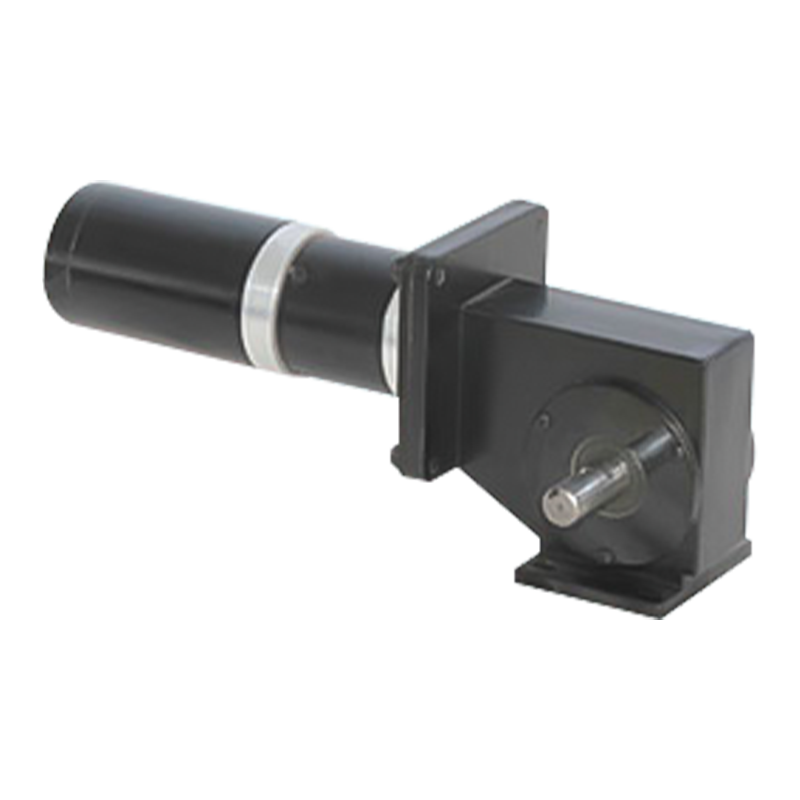
Worm Gear Motor Explained: Why This Compact Powerhouse Is Used Everywhere
Jul 10,2026
June birthday, growing towards the sun | The June employee birthday party of Dongzheng Electric Machinery came to a warm conclusion
Jun 05,2026Content
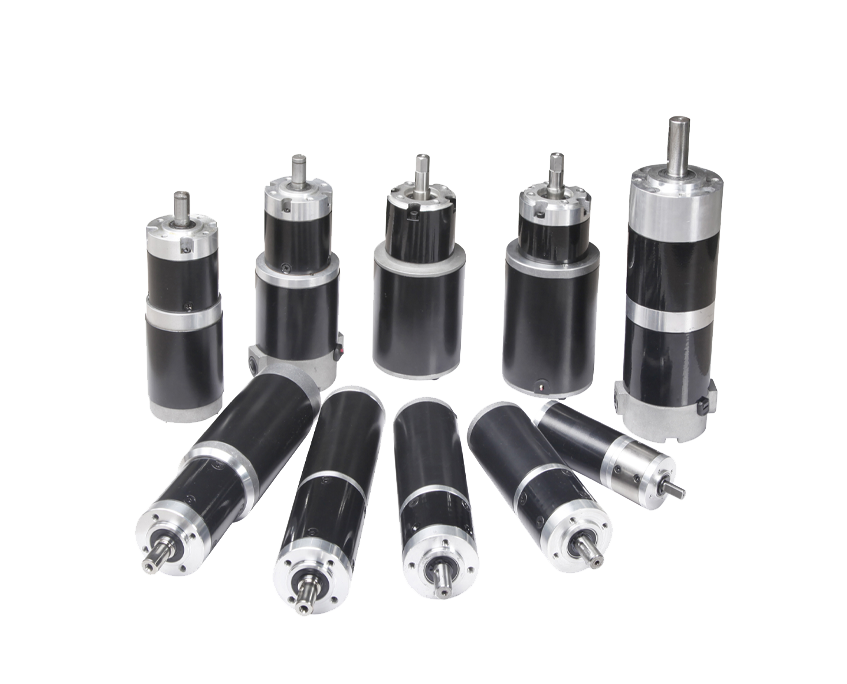
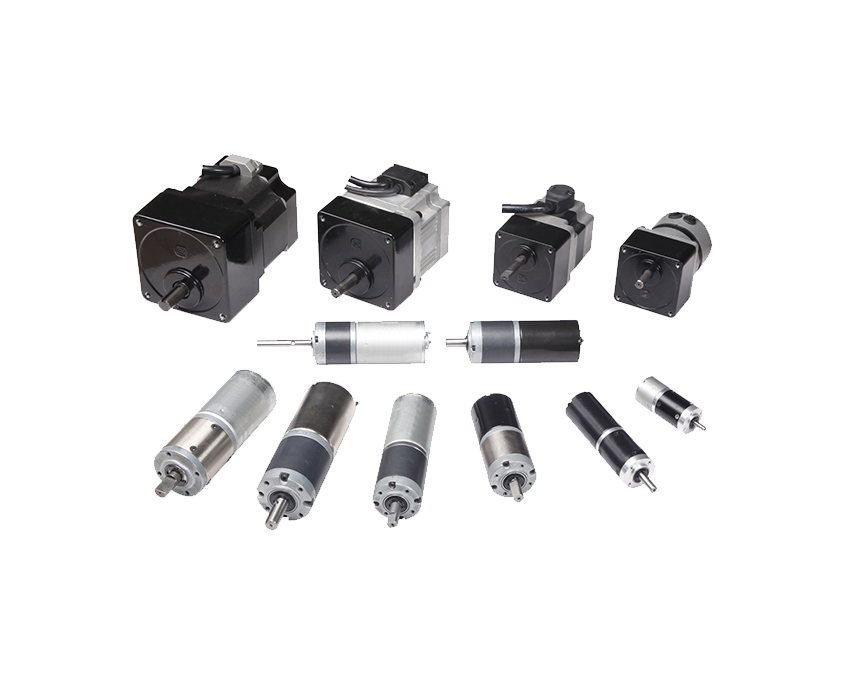
In our modern world, we’re surrounded by motion, often powered by hidden, hardworking components. Think about the automatic paper towel dispenser in a public restroom, the steering column adjustment in your car, or the spinning head of an electric screwdriver. Chances are, a Brushed DC Gear Motor is at the heart of the action.
Before we dive into the “gear” part, let’s look at the basic DC motor. A DC (Direct Current) motor converts electrical energy into mechanical energy, typically in the form of rotational motion. It works on the principle that a current-carrying wire, when placed in a magnetic field, experiences a force. In a DC motor, this setup causes a central shaft (called the rotor or armature) to spin continuously.
The “Brushed” part refers to the simple, time-tested mechanism used to deliver current to the spinning rotor. Brushes, usually made of carbon or a similar conductive material, rub against a spinning component called a commutator. The commutator reverses the direction of the current flow in the rotor windings at just the right moment to ensure the motor keeps spinning in the same direction. This simple mechanical switching is what defines a brushed motor, making it reliable, cost-effective, and easy to control—perfect for countless everyday applications.
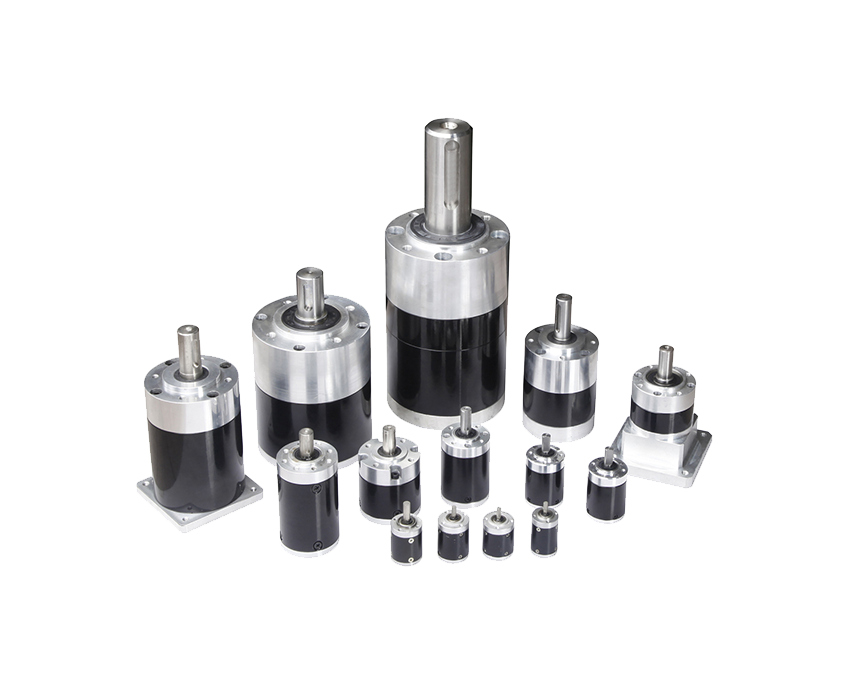
A standard DC motor, while great at spinning, typically spins very fast but with very little twisting force, or torque. For most applications—like lifting a garage door or moving a robotic arm—you need much more torque and a significantly lower speed. This is where the gearbox comes in, transforming a high-speed, low-torque motor into a low-speed, high-torque workhorse.
A gearbox is essentially a system of intermeshing gears. Imagine a small gear connected to the motor’s shaft spinning a much larger gear.
The ratio between the number of teeth on the input gear and the output gear determines the gear ratio. A motor with a 100:1 gear ratio means the motor must spin 100 times for the output shaft to spin just once, resulting in 100 times the torque (minus minor losses from friction).

The combination of the durable, easy-to-control brushed DC motor and the torque-multiplying gearbox makes the Brushed DC Gear Motor incredibly versatile.
While more modern, brushless DC motors (BLDC) offer higher efficiency and longer life, they require more complex electronic controls. For applications where simplicity, reliability, low cost, and high starting torque are priorities, the dependable Brushed DC Gear Motor remains the undisputed choice, quietly driving the world around us.
Your email address will not be published. Required fields are marked *
Tel: +86 0579-86817938-836
Phone: +86 15258922705
E-mail: [email protected]
Add: No.2 Zengping Rd., Dongyang, Zhejiang, China
You can contact to me using this form.
Copyright © Zhejiang Dongzheng Motor Co.,Ltd. All Rights Reserved.
 DC Gear Motor Manufacturers