


 English
 русский
 日本語
日本語 Español
 Deutsch
 中文简体
中文简体Product Consultation
Your email address will not be published. Required fields are marked *




DC Gear Motors Guide: Types, Applications & Selection Tips
Jul 16,2026
Worm Gear Motor Explained: Why This Compact Powerhouse Is Used Everywhere
Jul 10,2026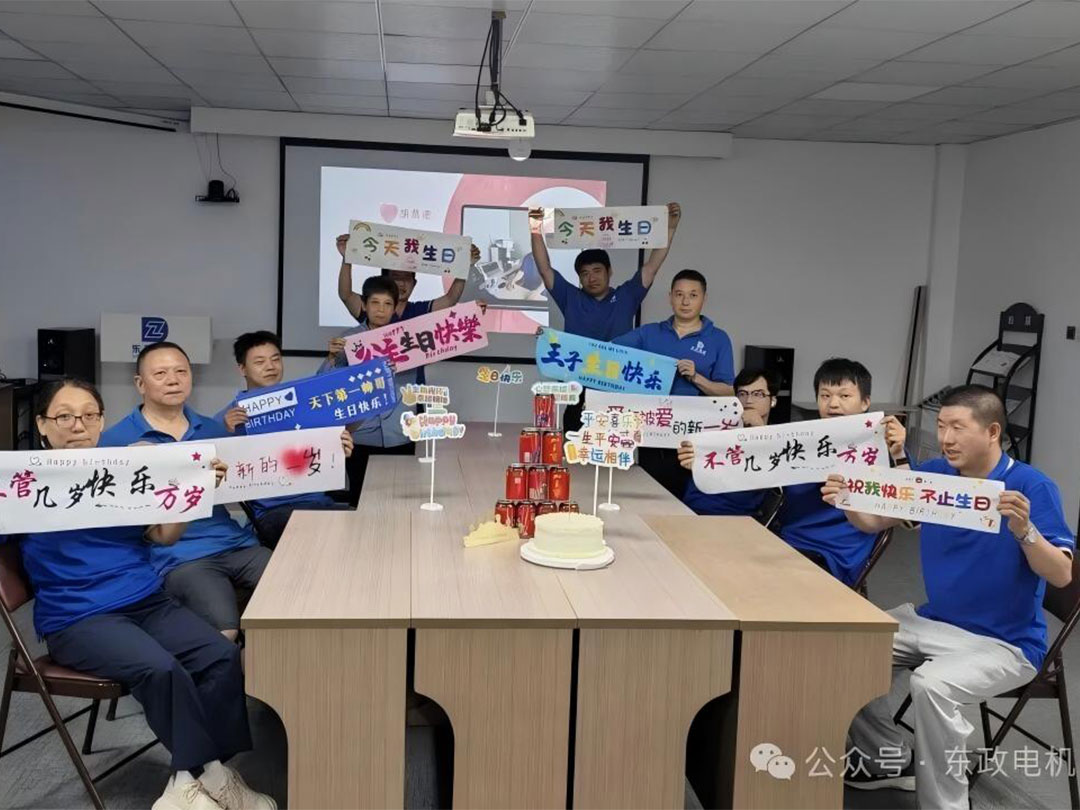
June birthday, growing towards the sun | The June employee birthday party of Dongzheng Electric Machinery came to a warm conclusion
Jun 05,2026Content
The brushed DC motor is a classic piece of electrical engineering that converts direct current electrical energy into mechanical energy through the use of a magnetic field and a physical commutator. At its core, the motor consists of a stationary outer shell called the stator, which contains permanent magnets or electromagnetic windings, and a rotating inner part known as the armature or rotor. When an electric current is passed through the armature windings, it generates a magnetic field that interacts with the stator's field. This interaction produces a torque that forces the rotor to spin. The "brushed" designation comes from the carbon brushes that maintain a physical electrical connection with the rotating commutator, ensuring that the direction of current in the coils reverses at the precise moment to keep the motor spinning in a constant direction.
The commutator acts as a mechanical switch that facilitates the continuous rotation of the motor. Without it, the armature would simply align itself with the stator's magnetic poles and stop. The brushes, typically made of graphite or copper, press against the segments of the commutator. As the shaft turns, the brushes slide from one segment to the next, reversing the polarity of the current flowing through the armature coils. This reversal ensures that the magnetic force always pushes the rotor in the same circular path. While this physical contact allows for a simple and cost-effective design, it also introduces friction and electrical noise, which are key considerations during the selection process for specific industrial or hobbyist applications.
When evaluating a brushed DC motor for a project, understanding its performance characteristics is essential for ensuring longevity and efficiency. Unlike brushless alternatives, brushed motors offer high torque at low speeds and a very linear relationship between voltage and speed, as well as current and torque. This makes them exceptionally easy to control using simple pulse-width modulation (PWM) or variable resistors. The following table outlines the primary metrics used to categorize these motors:
| Metric | Description | Impact on Performance |
| Rated Voltage | The design voltage for optimal efficiency. | Determines the base RPM and power output. |
| No-Load Speed | Maximum RPM when no resistance is applied. | Indicates the motor's top-end speed capability. |
| Stall Torque | Maximum torque produced when RPM is zero. | Defines the starting power and heavy lifting limit. |
| Continuous Current | Safe current level for long-term operation. | Prevents overheating and brush degradation. |

Despite the rise of brushless technology, brushed motors remain a dominant force in many industries due to their unique set of benefits. They are fundamentally simpler to wire, requiring only two leads for operation, and do not necessitate complex electronic speed controllers (ESCs) for basic functionality. This simplicity translates to lower initial costs and ease of troubleshooting. However, the physical wear of the brushes means these motors have a finite lifespan and require periodic maintenance in high-demand environments.
Brushed DC motors are ubiquitous in daily life, powering everything from household appliances to automotive components. In the automotive sector, they are the standard choice for power windows, seat adjusters, and windshield wipers because of their reliability and high starting torque. In the consumer electronics world, they drive the vibration motors in smartphones and the cooling fans in desktop computers. Their ability to be manufactured in extremely small sizes allows them to fit into medical devices, such as infusion pumps, where precise, low-speed movement is vital for patient safety.
To maximize the lifespan of a brushed DC motor, regular inspection of the brushes and commutator is necessary. Over time, carbon dust from the brushes can accumulate, leading to short circuits or reduced efficiency. Cleaning the commutator with a specialized abrasive stone or compressed air can restore performance. Additionally, ensuring that the motor is not consistently run at its stall torque will prevent the windings from overheating and melting the insulation. Proper heat sinking and ventilation are also critical, especially in enclosed housing where air circulation is limited, as excessive heat is the primary cause of premature brush failure.
Your email address will not be published. Required fields are marked *
Tel: +86 0579-86817938-836
Phone: +86 15258922705
E-mail: [email protected]
Add: No.2 Zengping Rd., Dongyang, Zhejiang, China
You can contact to me using this form.
Copyright © Zhejiang Dongzheng Motor Co.,Ltd. All Rights Reserved.
 DC Gear Motor Manufacturers