


 English
 русский
 日本語
日本語 Español
 Deutsch
 中文简体
中文简体Product Consultation
Your email address will not be published. Required fields are marked *



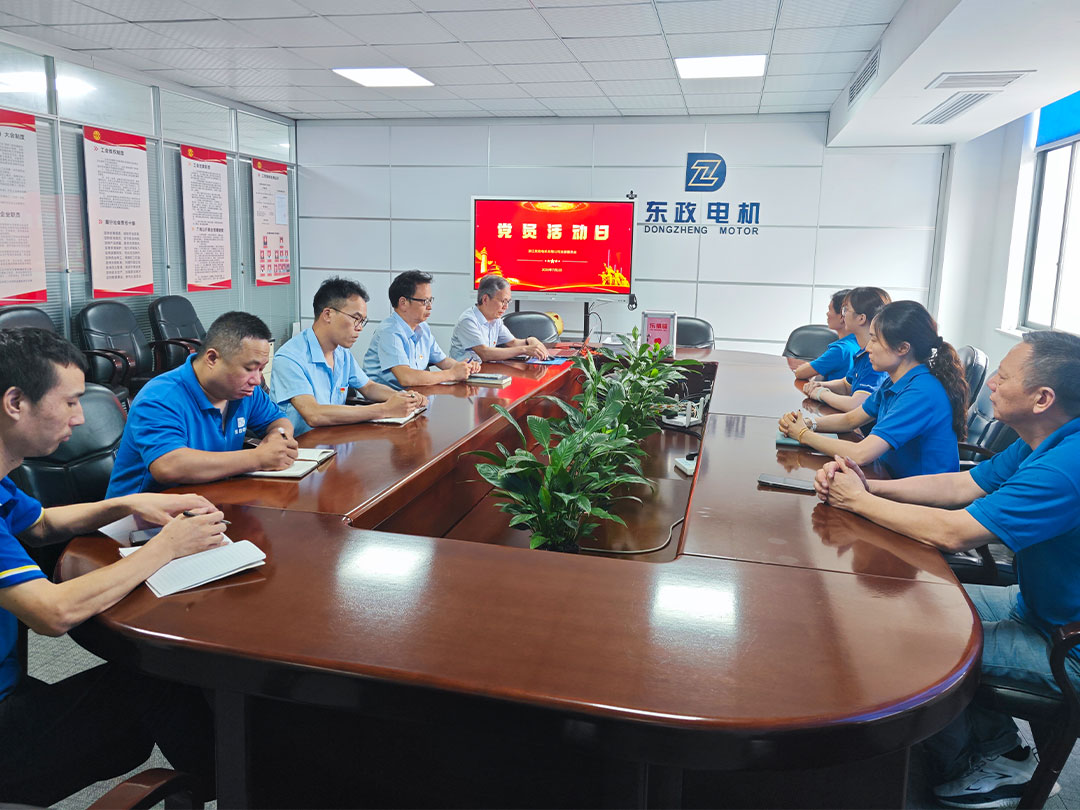
Witnessing the Grand Event, Reflecting on Our Original Aspirations, Fulfilling Our Mission, and Embarking on a New Journey | The Company’s Party Branch Watches the Live Broadcast of the Ceremony Marking the 105th Anniversary of the Founding of the Communist Party of China
Jul 01,2026
Strengthening Industry-Education Integration · Empowering Collaborative Talent Development | Dongzheng Joins Forces with Guangsha Vocational University to Write a New Chapter in School-Enterprise Cooperation
Jul 08,2026
In the Blazing Heat of Midsummer, Embarking on a New Journey Together | Dongzheng Electric Successfully Hosts July Employee Birthday Party
Jul 01,2026Content
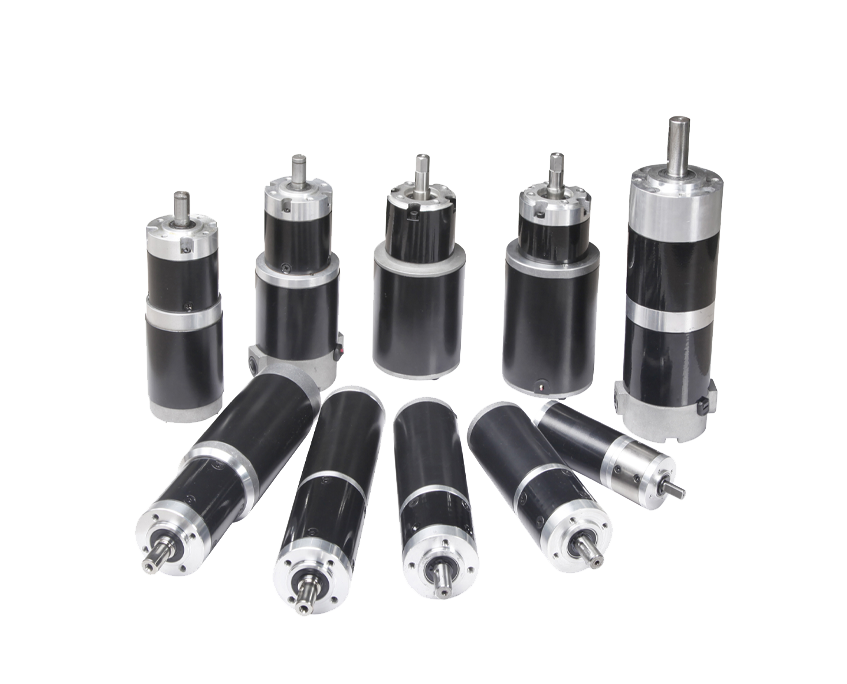
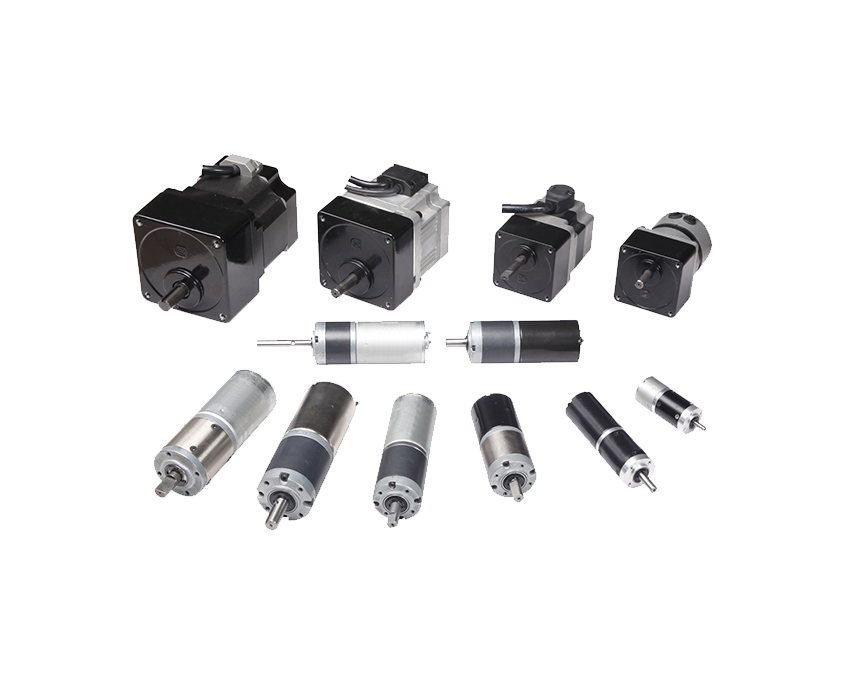
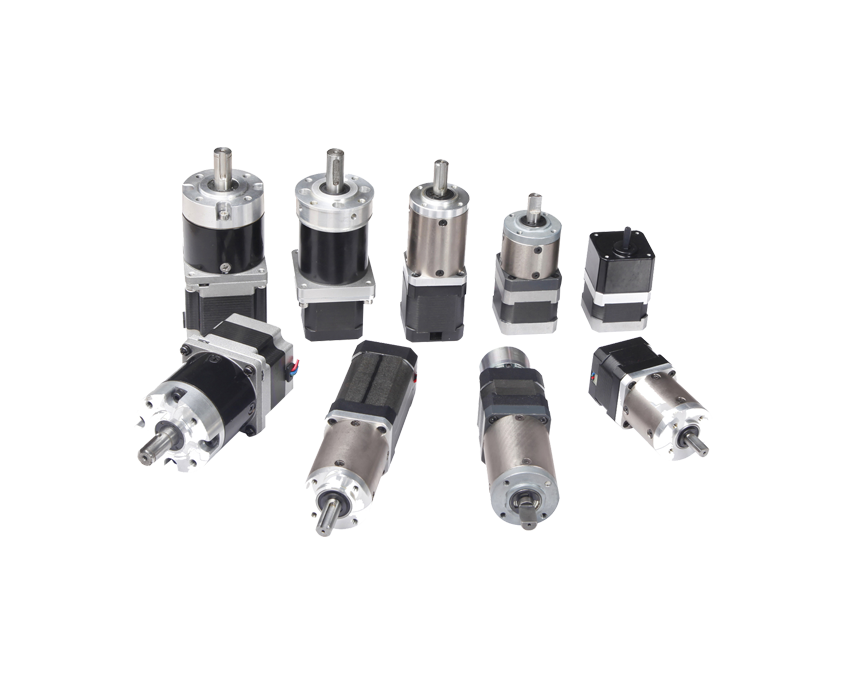
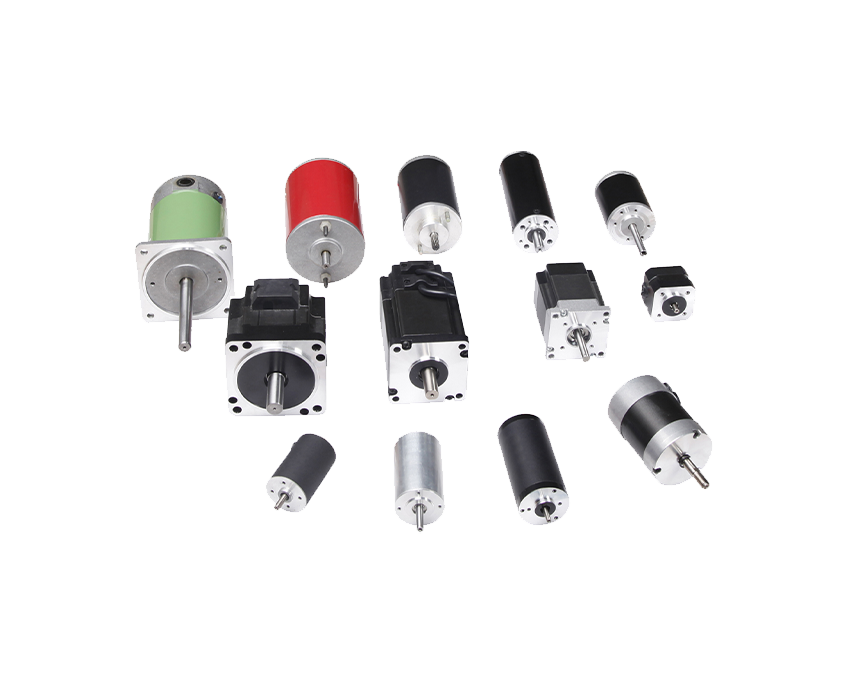
A motor gearbox is a combination unit that pairs an electric motor with a mechanical gear reduction system to change the speed and torque characteristics of the motor's raw output. Most electric motors, whether AC or DC, are designed to run efficiently at relatively high rotational speeds, often in the thousands of RPM, but this speed comes paired with comparatively low torque. In countless real-world applications, however, machinery needs the opposite: slower rotational speed with much higher torque to actually move, lift, or drive a load. This is precisely the gap that a motor gearbox, sometimes referred to simply as a geared motor or gear reduction motor, is built to fill.
Inside the unit, the motor shaft connects to a gear train housed within a sealed casing, where a series of meshing gears reduces rotational speed at each stage while proportionally increasing torque. The exact relationship between speed reduction and torque increase depends on the gearbox's internal ratio, which engineers select based on the specific mechanical requirements of the driven equipment. Because this speed-torque conversion happens within a single, pre-engineered housing, a motor gearbox eliminates the need for engineers to design custom drivetrain components from scratch, significantly simplifying machine design and reducing time to market for new equipment.
Beyond the basic speed and torque conversion, many motor reducer units also offer additional mechanical benefits such as shock absorption during sudden load changes, noise reduction compared to a bare high-speed motor, and in certain gear types, the ability to hold a load in place without continuous power input. These combined benefits explain why motor gearboxes have become a foundational component across nearly every branch of industrial and consumer machinery.
Understanding gearbox ratio is essential for anyone selecting or specifying a motor gearbox, since this single number largely determines whether the equipment will perform as intended. The ratio represents how many times the input shaft must rotate to produce a single rotation of the output shaft, and it directly governs the inverse relationship between output speed and output torque.
A higher gearbox ratio, such as 50:1 or 100:1, produces a much slower output speed but dramatically higher torque, making it suitable for applications like heavy lifting equipment, slow-turning mixers, or gate operators where raw power matters more than speed. However, very high ratios often come with a slight efficiency penalty due to increased friction across multiple gear stages, so engineers need to weigh torque requirements against acceptable power loss.
A lower gearbox ratio, such as 5:1 or 10:1, retains more of the motor's original speed while still providing a useful torque increase, making it appropriate for applications like conveyor belts, fans, or pumps where moderate speed reduction is sufficient and higher efficiency is more valuable than maximum torque multiplication.
Motor gearboxes are manufactured using several distinct gear designs, each offering a different balance of efficiency, cost, noise level, and mechanical behavior. Selecting the correct type is often just as important as selecting the correct ratio.
Helical gearboxes use gears with angled teeth that engage gradually rather than all at once, resulting in smoother, quieter operation and notably high efficiency, often exceeding 95 percent per stage. This makes helical motor gearboxes a popular choice for continuous-duty industrial applications like conveyors, mixers, and packaging equipment where energy efficiency and long-term reliability matter significantly.
Worm gearboxes use a screw-shaped worm meshing with a toothed wheel positioned at a right angle, offering a compact footprint and, in many ratios, a self-locking characteristic that prevents the output shaft from being back-driven when power is removed. This design is favored in applications like gate operators, hoists, and indexing tables, though it typically runs at somewhat lower efficiency than helical alternatives due to increased sliding friction.
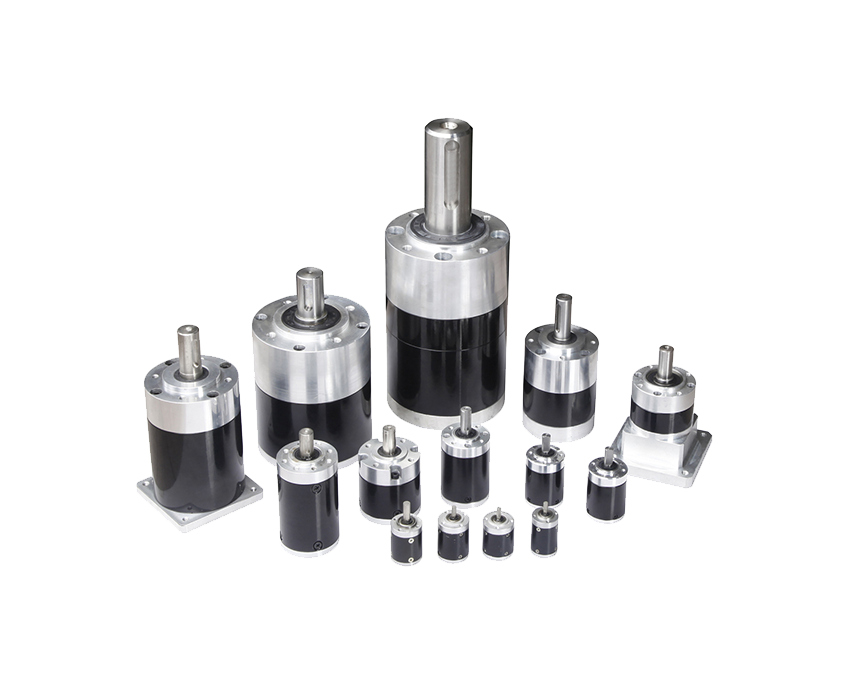
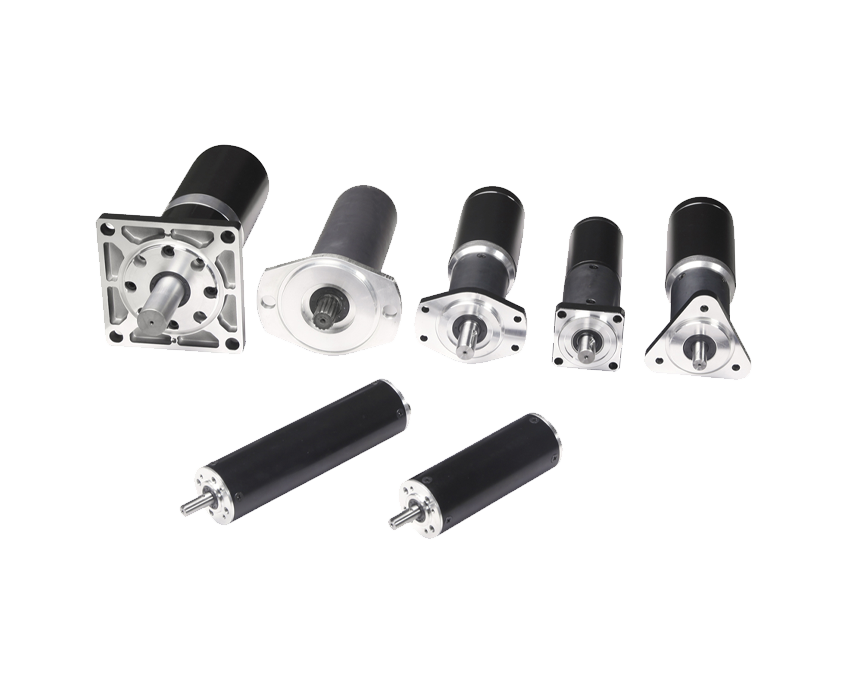
Planetary gearboxes distribute torque across multiple small gears arranged around a central sun gear, allowing for a highly compact design with excellent torque density and durability. This configuration is commonly chosen for robotics, precision automation, and applications where space constraints make a larger helical or worm gearbox impractical.
Bevel gearboxes use cone-shaped gears to transmit motion between intersecting shafts, typically at a right angle, and are often selected when a compact right-angle drive is needed alongside relatively high efficiency, making them a middle-ground alternative between helical and worm gear designs for certain layout requirements.
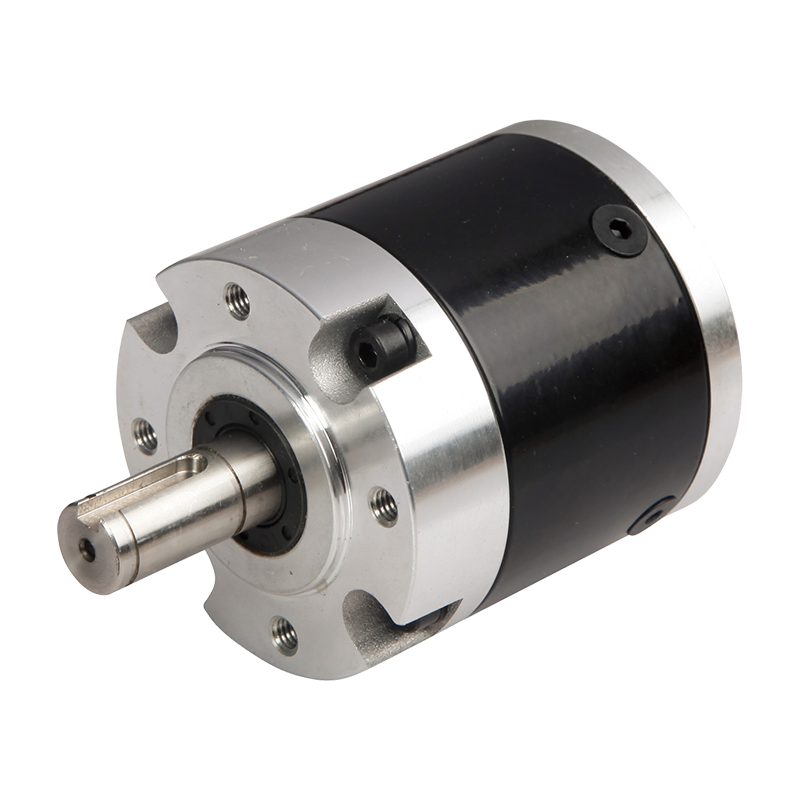
Since each gearbox type offers a different balance of trade-offs, it helps to see the main performance factors laid out together for quick comparison before making a final selection for a specific application.
| Gearbox Type | Typical Efficiency | Self-Locking | Best Suited For |
| Helical | 95% or higher | No | Conveyors, mixers, continuous-duty machinery |
| Worm | 50% - 90% | Often yes | Hoists, gates, holding applications |
| Planetary | 90% - 97% | No | Robotics, compact high-torque applications |
| Bevel | 90% - 95% | No | Right-angle drives needing higher efficiency than worm |
Motor gearbox units appear in an enormous range of equipment across nearly every industrial sector, since almost any machinery involving controlled rotational movement benefits from some form of speed reduction and torque multiplication.
Choosing the correct motor gearbox for a specific application involves balancing several interconnected specifications rather than focusing on any single metric in isolation. Getting this selection process right the first time helps avoid costly redesigns or premature equipment failure down the line.
Start by calculating the actual torque and speed requirements of your driven load, accounting for starting torque demands that are often significantly higher than running torque, particularly for equipment that starts under load such as conveyors carrying material or mixers filled with viscous product. Next, consider the duty cycle your application demands, since a gearbox rated for intermittent use may overheat or wear prematurely if placed into continuous, heavy-duty service. It's also important to evaluate the mounting orientation and shaft configuration needed for your equipment layout, as this often determines whether a right-angle worm or bevel gearbox is more suitable than an inline helical or planetary design. Finally, factor in environmental conditions such as ambient temperature, dust, and moisture exposure, since these directly influence the sealing rating and lubricant type required for reliable long-term operation.
Even a correctly specified motor gearbox can underperform or fail prematurely if it isn't installed properly. Following a few core installation practices significantly reduces the risk of early breakdowns and unnecessary downtime.
Ensure precise shaft alignment between the gearbox output and the driven equipment, since misalignment introduces unnecessary side-loading on bearings and can cause premature seal failure or vibration issues over time. Use properly rated couplings designed to accommodate slight angular or parallel misalignment rather than rigid connections that transmit excessive stress directly into the gearbox housing. Confirm that the mounting surface is flat, rigid, and properly torqued according to manufacturer specifications, as a loose or uneven mounting base can introduce vibration that accelerates wear on internal gear teeth and bearings. It's also worth verifying that the gearbox's breather vent, if equipped, is unobstructed and correctly oriented, since blocked ventilation can lead to internal pressure buildup and lubricant seal damage during thermal cycling.
Recognizing early warning signs of gearbox problems allows maintenance teams to intervene before a minor issue develops into a costly failure or unplanned production stoppage. Understanding common symptoms and their typical causes speeds up the troubleshooting process considerably.
Consistent maintenance is one of the most cost-effective ways to extend the operational life of a motor gearbox, since most premature failures stem from neglected upkeep rather than inherent design flaws.
Before finalizing a purchase, asking a focused set of technical and support-related questions helps ensure the selected motor gearbox will perform reliably in your specific application and reduces the risk of costly mismatches after installation.
Your email address will not be published. Required fields are marked *
Tel: +86 0579-86817938-836
Phone: +86 15258922705
E-mail: [email protected]
Add: No.2 Zengping Rd., Dongyang, Zhejiang, China
You can contact to me using this form.
Copyright © Zhejiang Dongzheng Motor Co.,Ltd. All Rights Reserved.
 DC Gear Motor Manufacturers